
History of warriors is closely connected to the relationship of eight innate groups of people in typology. Each person has its own historical military portrait that can describe the normal constant behavior of such people. That is why we created the initial military portrait of eight innate groups in order to show you the difference between them.
History of warriors. Portrait of 8 innate groups of people
Ethnos. The history of warriors of such innate group always attack the enemy in a huge crowd. They do it suddenly and noisily, like a tsunami. They engage in physical fight against the enemy and do not have a regret and sympathy for the enemy. Fists were initially used as weapons, and then sticks, pitchforks and shovels. Their fighting spirit and image is not so militant, but competitive and emotional.

Their attack seems continuos to everyone and non-stop, since their emotions subsided only at the moment when there is not a single moving creature in front of them. Ethnos innate group of people prefers only open conflict and are ready to fight the enemy without cunning. They consider a covert attack or tactical tricks as coward and weak actions.
Toastmaster. The history of warriors of the Toastmasters is such, that they look like open-minded people who look for trust from the enemies and they can be in enemy society and territory. If the Toastmasters really feel that the local conflict begins, they prepare and look for the right moment.
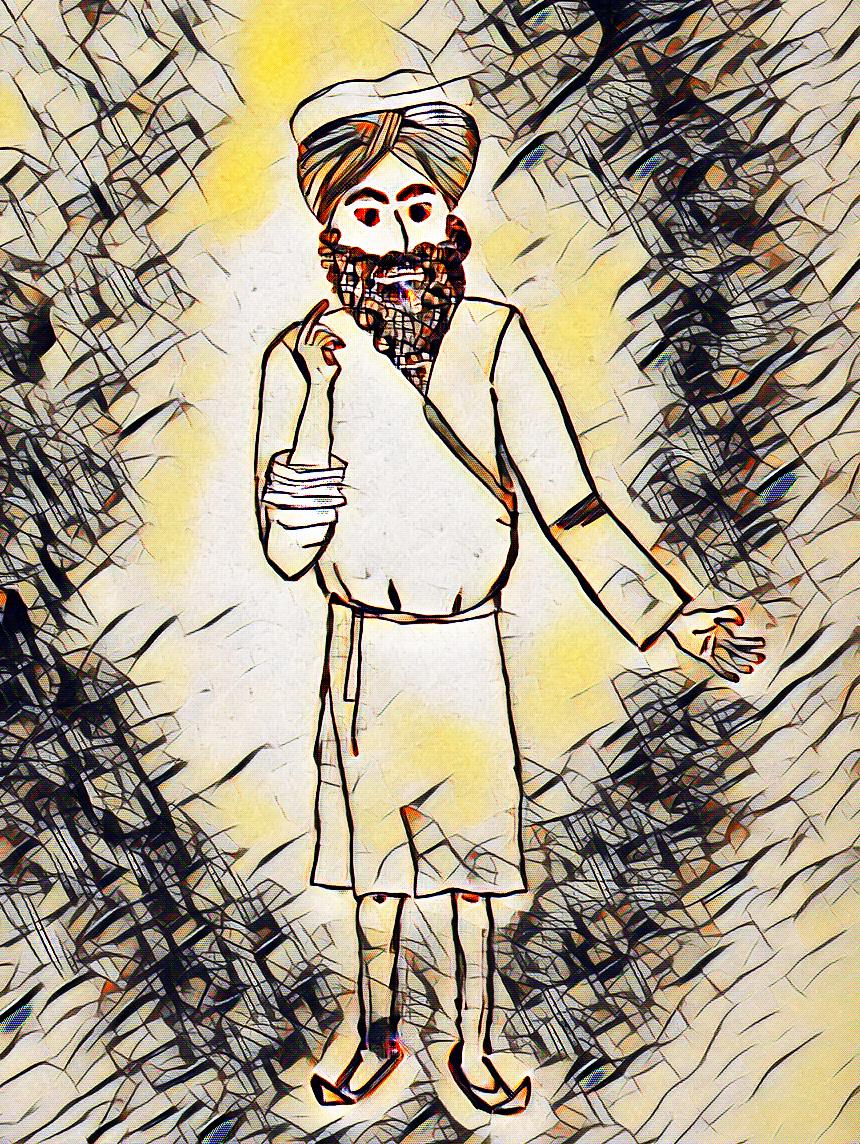
When the conflict starts, they begin an organized joint attack inside the territory of their enemy. At ancient times, mainly the tools of labor were used during the attack. They liked axes, hammers and machetes, which were hidden behind their backs or in the crevices of the walls of a street.
Marxist. The history of warriors from the Marxist innate group. What can we say about their innate group? They love a trained militant army that is organized and assembled by the authorities at the appointed time. Such soldiers are always obedient and follow the orders of the commander. By themselves, Marxists love to think about war, but they participate in it only if their commander gives them such an order. They liked to use catapults, which they invented before. Also they like to use cannons and other artillery nowadays.
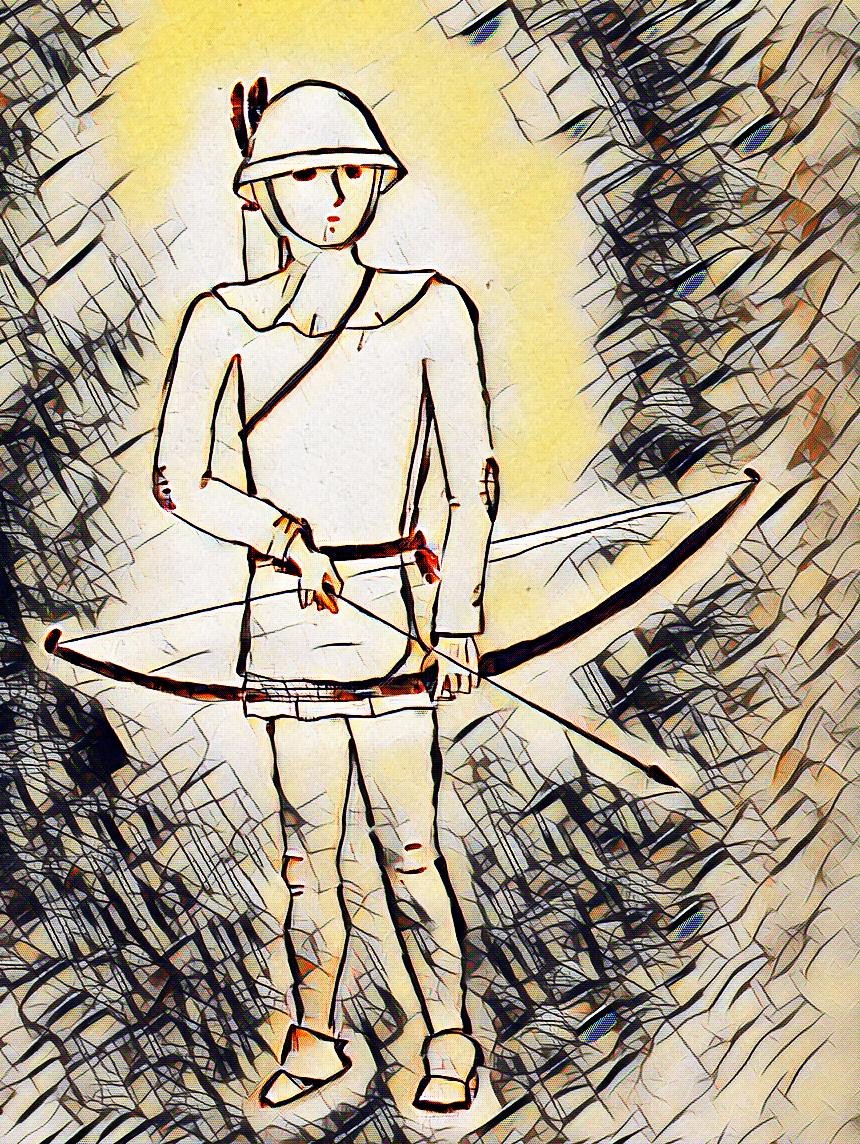
They prefer open conflict and do not understand hidden attacks. The war will not create any excessive emotions for them. It will only stimulate their commanders to think about how to plan it.
Pharaoh. The inborn group of Pharaohs never understands and never approves the war, conflict or crime. The history of warriors of this group is such they didn’t want to play such games and preferred to punish with death penalty all the criminals and murderers fast. This is the only punishment and form of attack they have. This innate group of people has always lived in a civilized and peaceful manner. Their territory over time obtained a stable defense in the form of high walls and towers. The path to such walls was blocked by thorny surfaces or water channels.
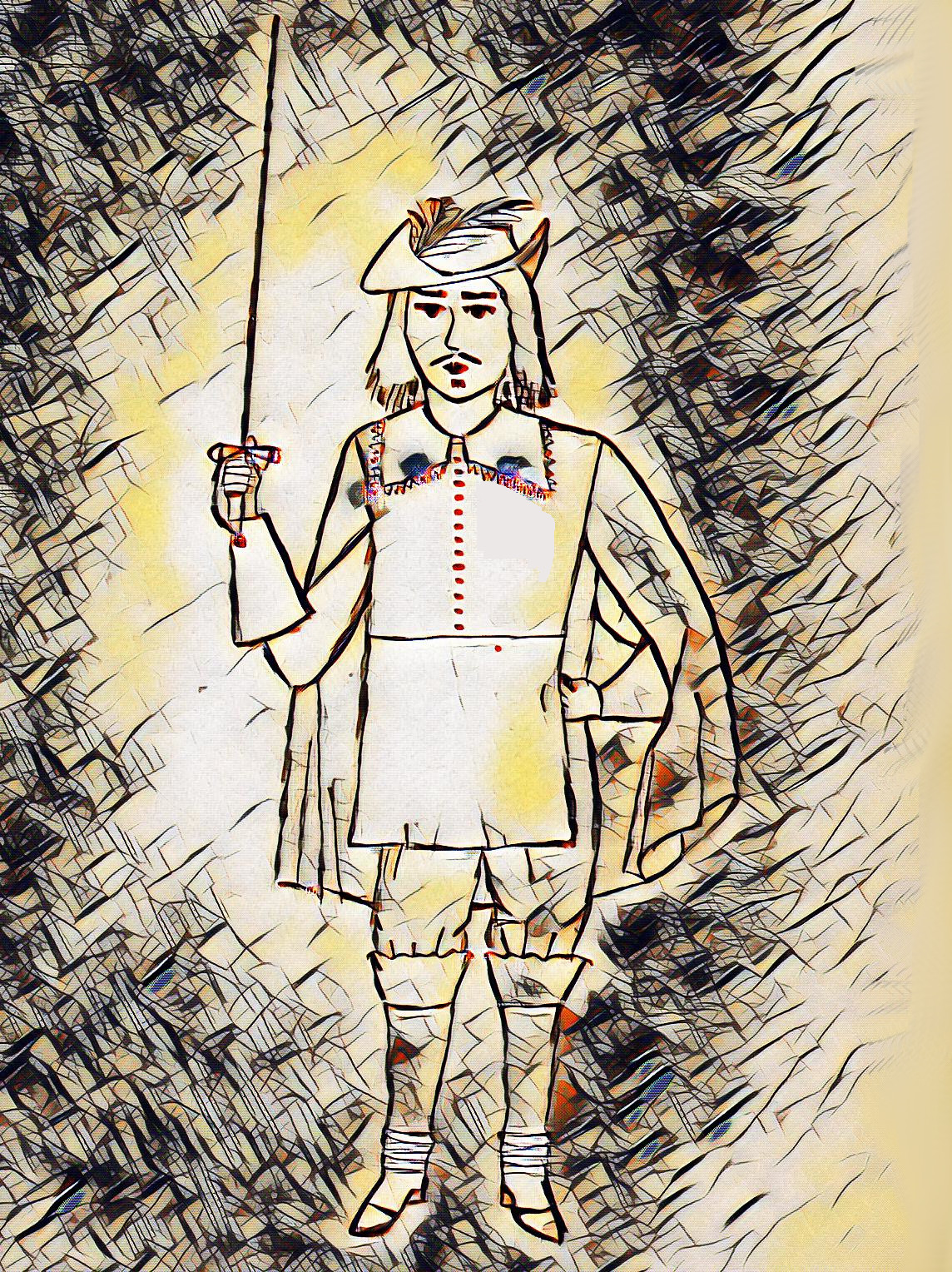
The military image of Pharaohs was always accompanied by the creation of beautiful clothes, armor and weapons. This habit surprised or amused other groups. From the personal weapons, that characterize this group, the rapier and dagger was invented. During a conflict, they prefer an immediate response to the enemy, so they always trained their visual skills and quick body movements. Everyone is allowed to visit their territory, but they have a mandatory conditions – to keep order and rules. When the violation of order begins, they immediately deport the violator from their territory. Sometimes, they can pursue malicious violators, who has the goal of destroying their city.
Patron. At first glance, the history of warriors of the group of Patrons is interesting. These people may seem picky and strict to others. But later you realize, that they have very good and organized warriors with strong discipline. Such warriors always pursue their victim and interfere in various conflicts. The purpose of it is to get some benefit for themselves or restore justice from their subjective point of view.

Patrons are good warriors in terms of combat. Because they can participate both in open combat and in small stealthy attacks. They always know their goals, tactics, moments of attack and retreat. This helps them to have less losses in the end of conflict. In past centuries, they took horses as an assistant and rode them. For the personal weapons they liked to use a saber sword or a katana. Usually, they have all the necessary things with them – ropes, stones, sand, provisions and so on. They are not emotional and never feel pity for their enemies. They always fight mercilessly to the end.
Pilgrim. The history of warriors from the group of Pilgrim is also quite interesting. This group of people likes to watch the invading enemies from high terrain, mountains, tall trees, and from the lighthouse. They create some small tactical groups and wait for the moment to attack in a group. At the moment of the attack, each member of the group use some unique, diverse and cunning technical approach.
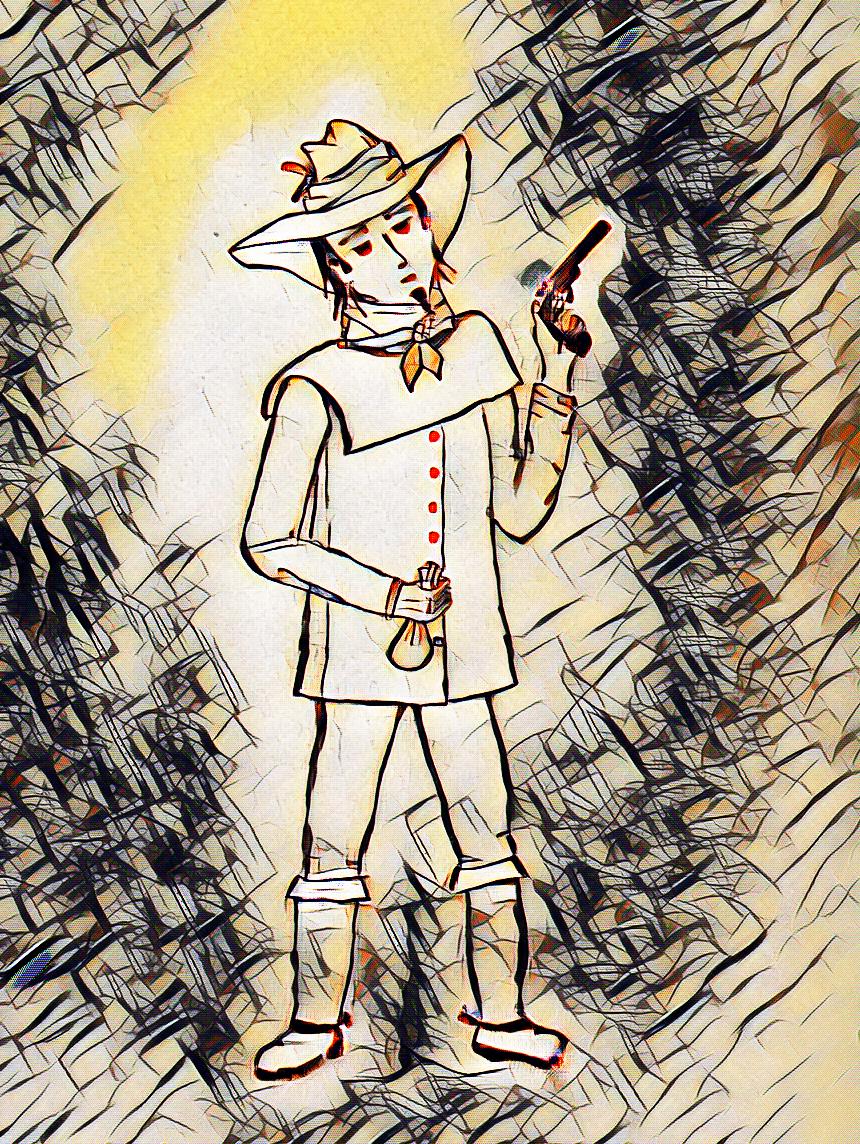
For example, one person climbs a tree and attacks the enemy from there. Another person hides in the bushes and waits for a convenient moment for an attack using a loop. The third person showes himself to the enemy on the horizon, trying to mislead the enemy and distract him from the intended path. The fourth member scares off the enemy with simultaneous shots from two pistols, etc. Pilgrim group usually uses intelligence and clever methods during the war, preferring a covert attack instead of open conflict and combat.
Cognitive. The Cognitive group of people tries to be not involved in open wars and conflicts. If they need to fight, then they can use some technical decisions for this. Therefore, they prefer stealth attack.
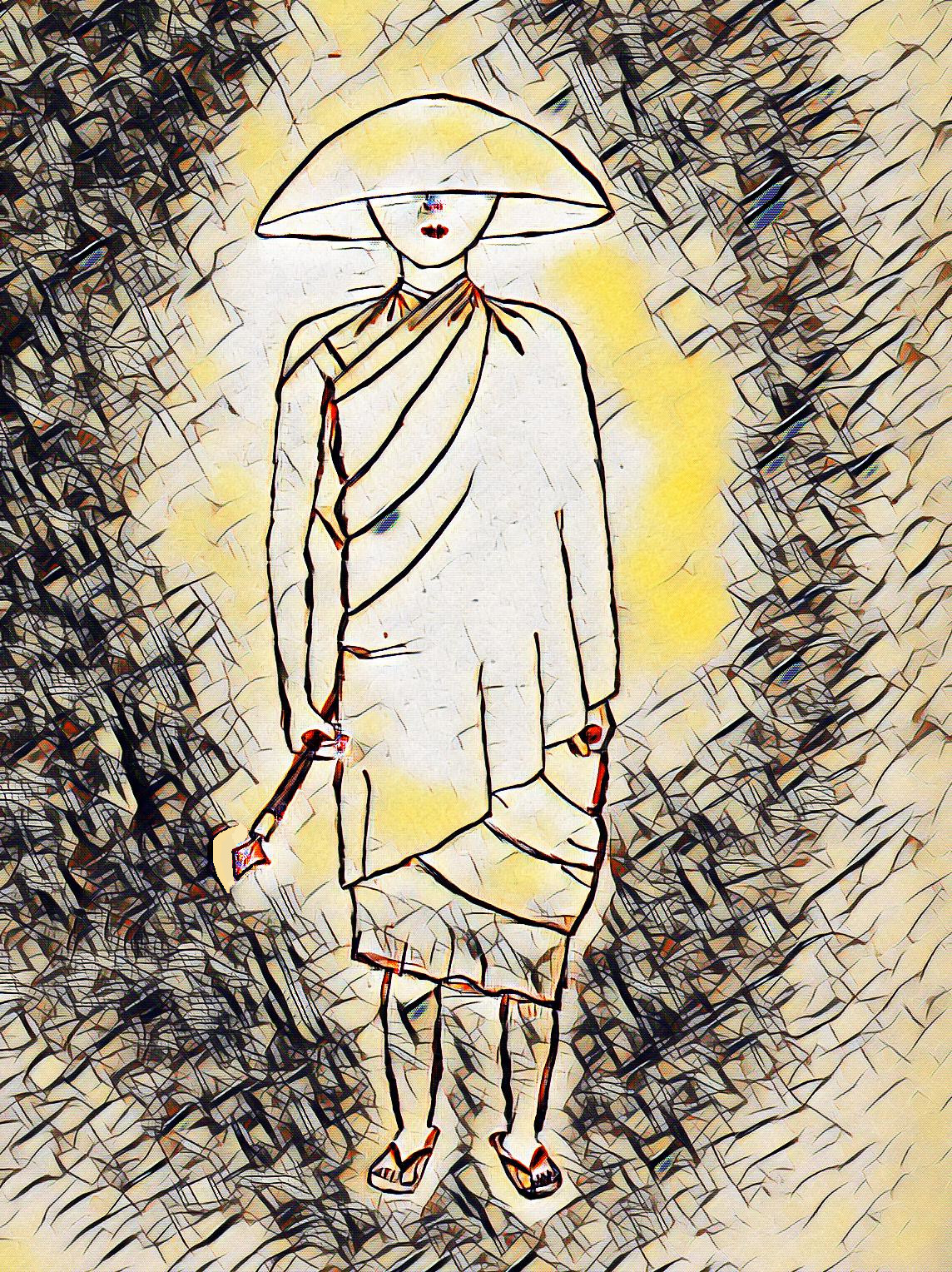
Such people may like various types of traps in the fields and in the forest. They place them on their territory, and it can lead to torture and slow death of the one who ran into them. The absence of Cognitives on open battlefields is always characteristic of their image and inner spirit. And that’s the only thing we can say about the history of warriors of this group.
Virtue. They are mainly defensive people, like the Pharaohs. But instead of high walls and thorns on the surface, their territories were guarded by special soldiers dressed in military style. Such soldiers had a helmet and shield and a heavy sword for defense. By themselves, they are distrustful people, who have a habit of controlling everyone, including their own soldiers.

In addition, all the Virtues want to control other people’s territories, sometimes intervening in other people’s affairs. They do that only when they see other people’s problems. For example, when other peoples violate nature or mock neighbors from other countries. The history of warriors from this group is deep in time.
The relationship of capture in history. Forms of attacks
We saw the connection of historical facts with the images of 8 innate groups of people. Thanks to this, we discovered the relationship of capture and other details. All these relationships have always influenced the migration of people since nowadays.
What the Marxists dislike about the Toastmasters:
Marxists consider as a criminal act, when someone tries to enter a foreign society with a hidden hostile position. At the same time, it is unacceptable for them, when such people seek trust from that society. This is because the Marxists do not possess tactical and cunning methods of attack according to their thinking. Therefore, they are ready to be the first to attack the territories of the Toastmasters and destroy them.
What the Patrons dislike about the Pharaohs:
The history of warriors of these two groups is completely different. In the cycle of relationships, there is only a capture relationship between them. Therefore, the Patrons initially watching the Pharaohs. They also noticed, when the Pharaohs interfered with the Marxists and punished them. Patrons think that it is normal to fight with opponents, as well as to get rid of annoying or hostile clans with the help of conflict.
Therefore, they are shocked that the Pharaohs believe that people with a warlike character deserve the death penalty at the state level. And that is why, they consider the Pharaohs to be cruel people. Consequently, the Patrons start a persecution and cruel fight towards Pharaohs. They consider it right to destroy them by attacking first and not letting them relax.
What the Virtues dislike about the Cognitives:
The Virtues, as defenders of the people, have a habit of caring for the environment. They will be horrified that some people and animals will slowly die from torture, when they are falling into the traps of the Cognitives.
Therefore, if the Cognitives continue with their position, far from neutrality, then the Virtues will want to punish them. To get to the Cognitives and destroy them, the Virtues, prefer to walk not along the beaten paths. They will choose a difficult way, cutting their way with a heavy sword.
What Ethnoses dislike about Virtues:
There is only a relationship of capture between them. Ethnos groups initially has an observant position. They watch when the Virtues interfered with and punished the Cognitives at times. Ethnos groups love their own country and consider it independent. They have their own flag and long-established borders. Therefore, they will not like, when someone from foreign countries trying to help or influence others in their country. Such actions hurt their feelings and emotions.
Being emotional, they will consider as enemies all those who criticize them. And the only way to solve this problem is to destroy all those who interfere in their affairs. They do not like people, who try to solve their problems or mistakes, even if their action looks noble. Ethnos groups think, that even a noble intervention and criticism is an act of aggression and invasion.
What Cognitives dislike about Pilgrims:
Cognitives do not allow themselves to torture others in the open manner. They also do not allow themselves to see with their own eyes the kill scenes. This is their personal credo. The purpose of such credo is that they always try to control their psyche. This will help them to live within the limits of their own adequacy and to avoid unnecessary temptation. Therefore, for the Cognitive, the Pilgrims’ attack methods and their way of life seem to be the methods of neglected and spoiled people. Because of this, they perceive the Pilgrims as a threat to their psyche, and only this reason is quite enough to start destroying them.
What Pilgrims dislike about Patrons:
They both have a bit similar history of warriors. But for the Pilgrims, the form of Patrons’ attacks looks insidious and intrusive. This is especially when the groups of attacking Patrons march forward one after another to prevent the enemy and their own soldiers from resting. Pilgrims sometimes want to rest and sleep after the battle. That is why they do not like the constant brutal oppressive attack of the Patrons on others.
Therefore, in order to balance the struggle, they will let the trained animals to attack the Patrons. Also, they may to perform other actions that will frighten their horses, deprive them of food or even lead the Patrons away from their intended path. Thanks to this, then it will be easier for the Pilgrims to attack the Patrons in the end.
What the Pharaohs dislike about the Marxists:
The high walls, towers and cities built by the Pharaohs were created not only for self-defense. They also like it for the prestigious and beautiful views of their city. Therefore, they will be shocked to see that Marxists, during the battle, are capable of launching heavy shells that will destroy all buildings. They will be also shocked that Marxists can massively kill people and destroy other resources. That wakes up the Pharaohs’ anger and they will immediately want to capture the Marxist leader and execute him. After that, they will prepare all their professional forces for a fast counterstrike.
What the Toastmaster dislikes about the Ethnoses:
Toastmasters see a threat in the actions of the Ethnos group. The main threat is the lack of analysis and calculation the during any conflict. The Toastmasters prefer to conduct a dialogue with the enemy, as a rational attribute for maintaining neutrality without the use of physical force. But in the case of Ethnoses groups, this will not work. Therefore the Toastmasters consider this to be a sufficient reason for the destruction of Ethnos. Of course, if it was not possible to maintain neutrality.
To read about the types of relationships between 8 inborn groups and see the diagram, follow the link: https://worldtypology.com/relationships-between-eight-groups-of-people/
The meaning of this article above is to show the history of the development of mankind and the original images of warriors in 8 different inborn groups of people. Thanks to globalization, all groups of people in different territories began to gradually copy from each other military image, uniform, weapons and technologies.
Therefore, in the modern world, the image of a warrior and a soldier in different groups of people has become similar and has lost its former diversity. But despite this, people belonging to different innate groups and having different stable values did not disappear nowadays.
Date of publication: November 24, 2021
 World Typology