
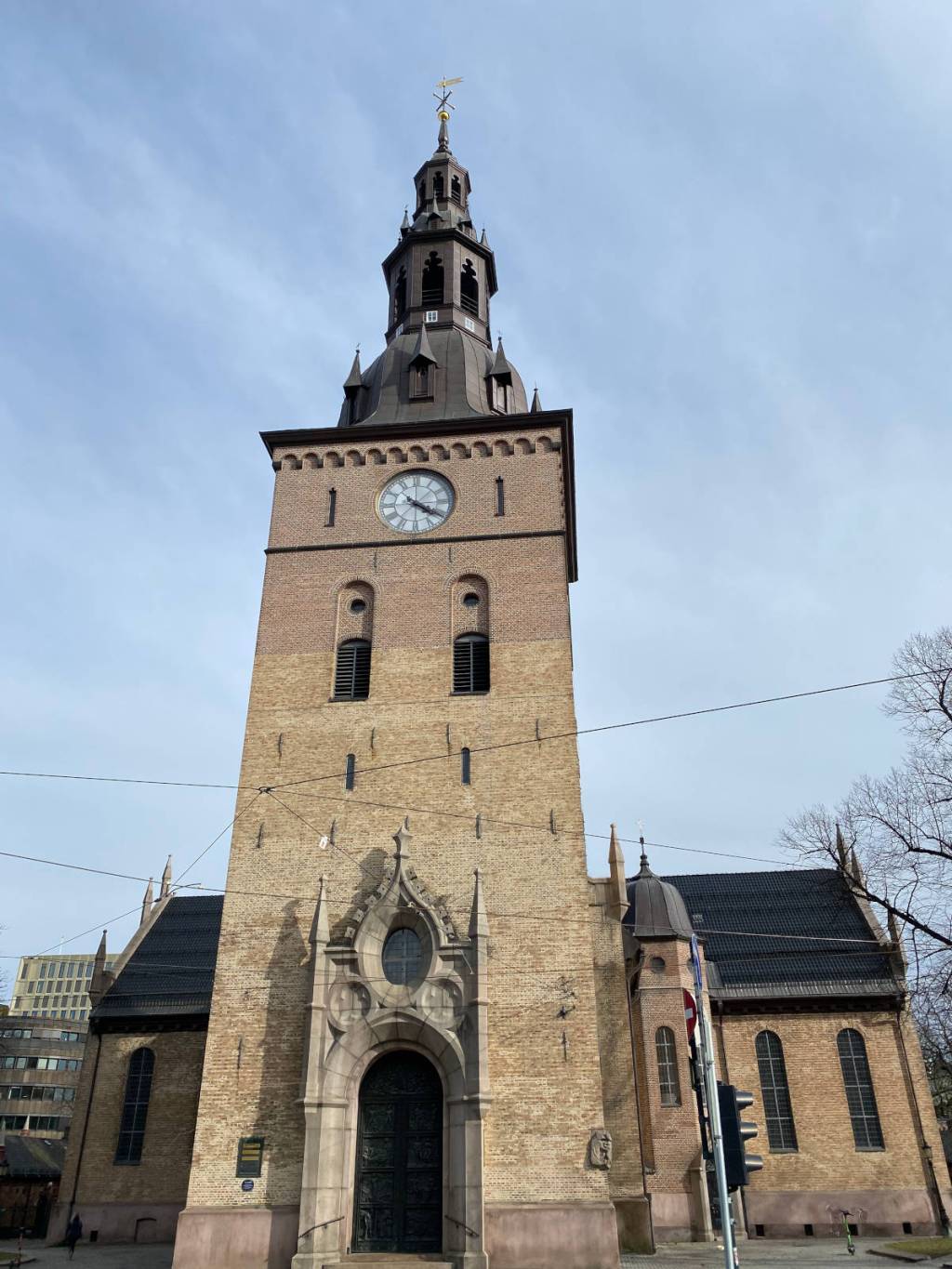
When a person remembers his childhood, he probably remembers his school where he studied with joy, sadness or resentment. Some people had one school for their whole life, some people changed different schools. But is there any correlation in the details, between the appearance of a school (its style of architecture) and eight innate groups of people?
What is the difference between the architectural details in the eight groups of people?
Not all people can notice by eye these differences in detail, only a fraction of people will be able to analyze and understand them. But nevertheless, we will try to explain the differences between these schools and churches. All photos below are for illustrative purposes and the creative descriptions of these schools below are not a real characterization of these schools shown in the photos.
The first thing you need to do next is to compare the details in the architecture in the photo. The second thing is to use a little imagination and analysis and think back to what your life and experiences were like in school. What you wanted, what you liked and what you didn’t like.
8 innate groups and their tastes, architecture, values and interests are different
So, imagine that you are a little boy or girl and are about to go to the first grade of school. You have a backpack on your back and your mom or dad is taking you to your first classroom. Which of these schools would you choose for yourself first? Which schools are incomprehensible or unpleasant to you, judging only by their appearance? What do you feel and think about when you take a long, hard look at the pictures of the schools below? Check the description below. Does it match your impression?
Number 1. The architecture of the school of the innate group Ethnos
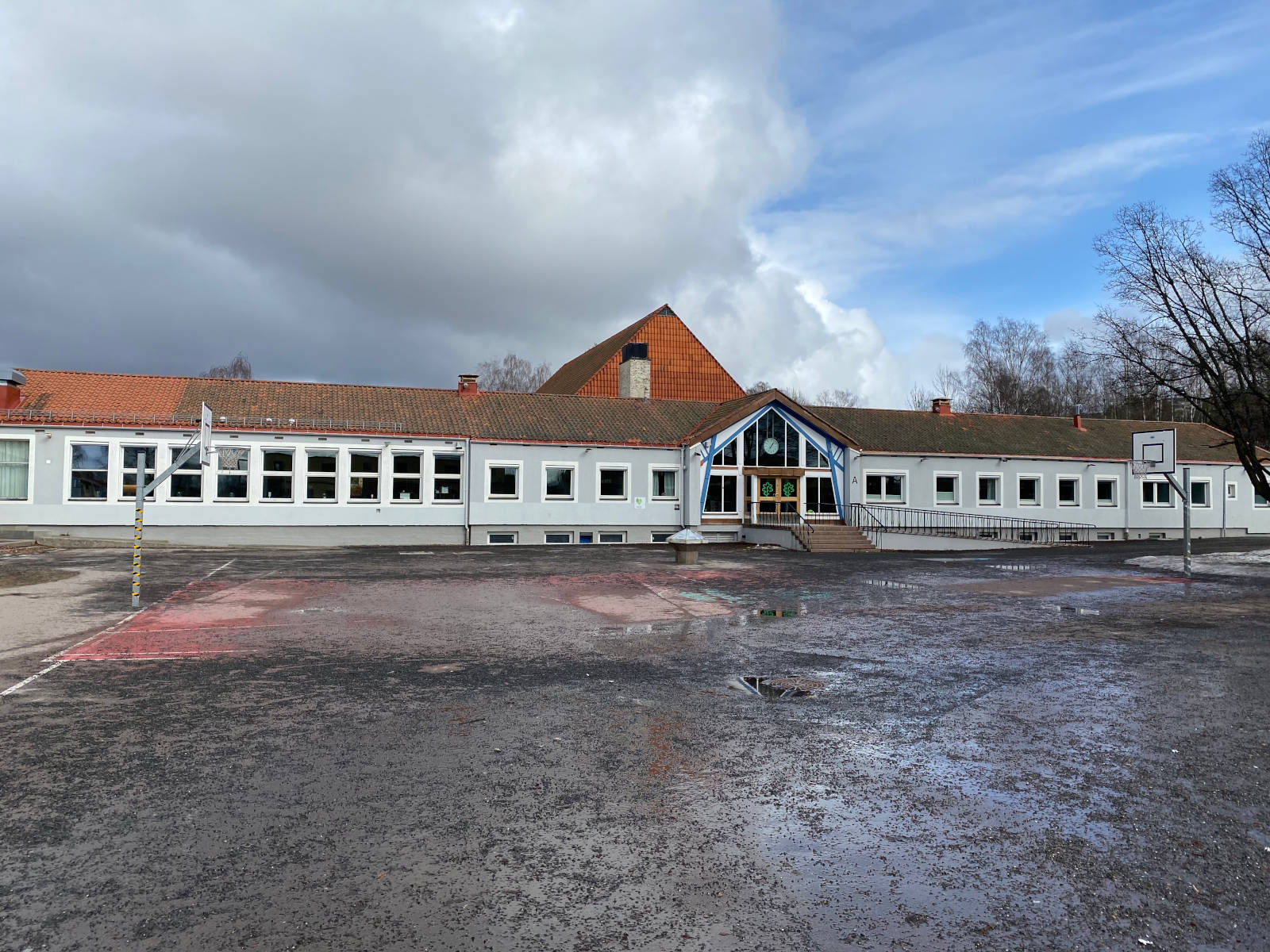
This kind of school is characterized by its simplicity and primitive appearance. We can say that it looks like a sports complex with a sports style. If you imagine for a second what children are most of all fond of there, the first thought that comes to mind is that children in such a school may love to study (because the presence of wall clock itself speaks about it), but they do not put study in the first place and do not idolize it as something most important in this life. Can be bullies and brawlers. But this does not mean that they are all bad students, just collective communication, noisy companies, the first sip of beer, labor lessons and, most importantly, sports are probably more interesting to them than anything else.
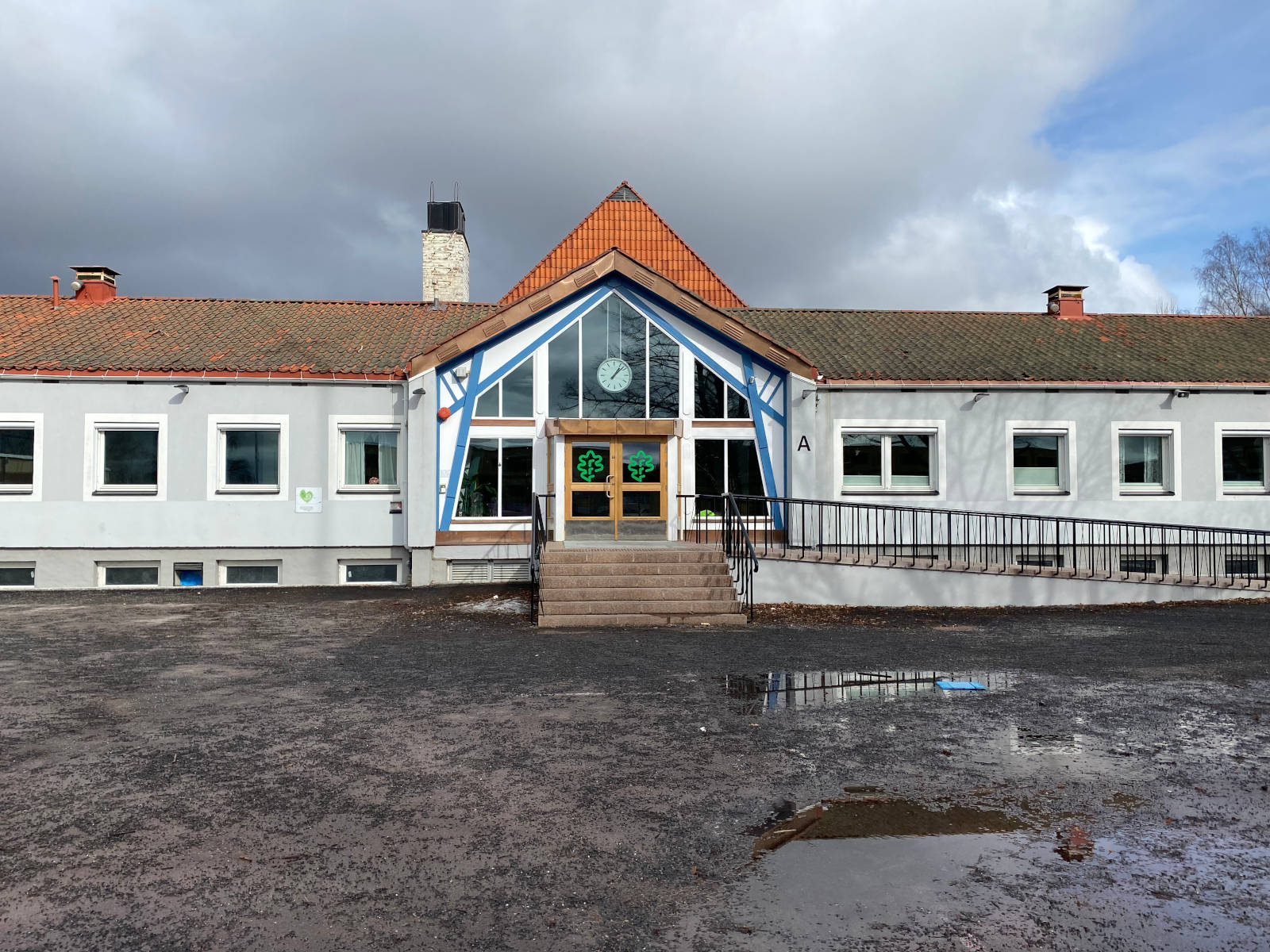
The presence of the stairs at the entrance to the school acts as a way of education and concentration to restrain one’s emotions and be careful. Some other groups that are emotional by nature (Pharaohs and Toastmasters), as well as the bullies in the Patrons group have such stairs available. The school of the group “Ethnos” outwardly looks as if the studies there are elementary and are necessary only for learning basic skills and knowledge, which will be useful for children later in their lives. But if all students and teachers have common views on life, then it is obvious that these small classes will become the place they will remember for the whole life and they will remember with warmth of heart how they experienced different emotions together, danced, made friends and argued in such a school. They could have kept the flag of their country, which hangs in the corridor or on the desk of the heads all the time.
Number 2. The architecture of the Toastmasters innate group school
At first glance, the school looks strict and simple. If you take a closer look at its general appearance, it has a certain businesslike and neatness, but at the same time there is a village style. There is a feeling that everything inside is still from the past centuries and instead of studying, the children are there discussing something at desks, warming themselves by the stove. It is more like a house than a school, so the atmosphere inside the school has a homely feel, as if you were visiting your grandmother.
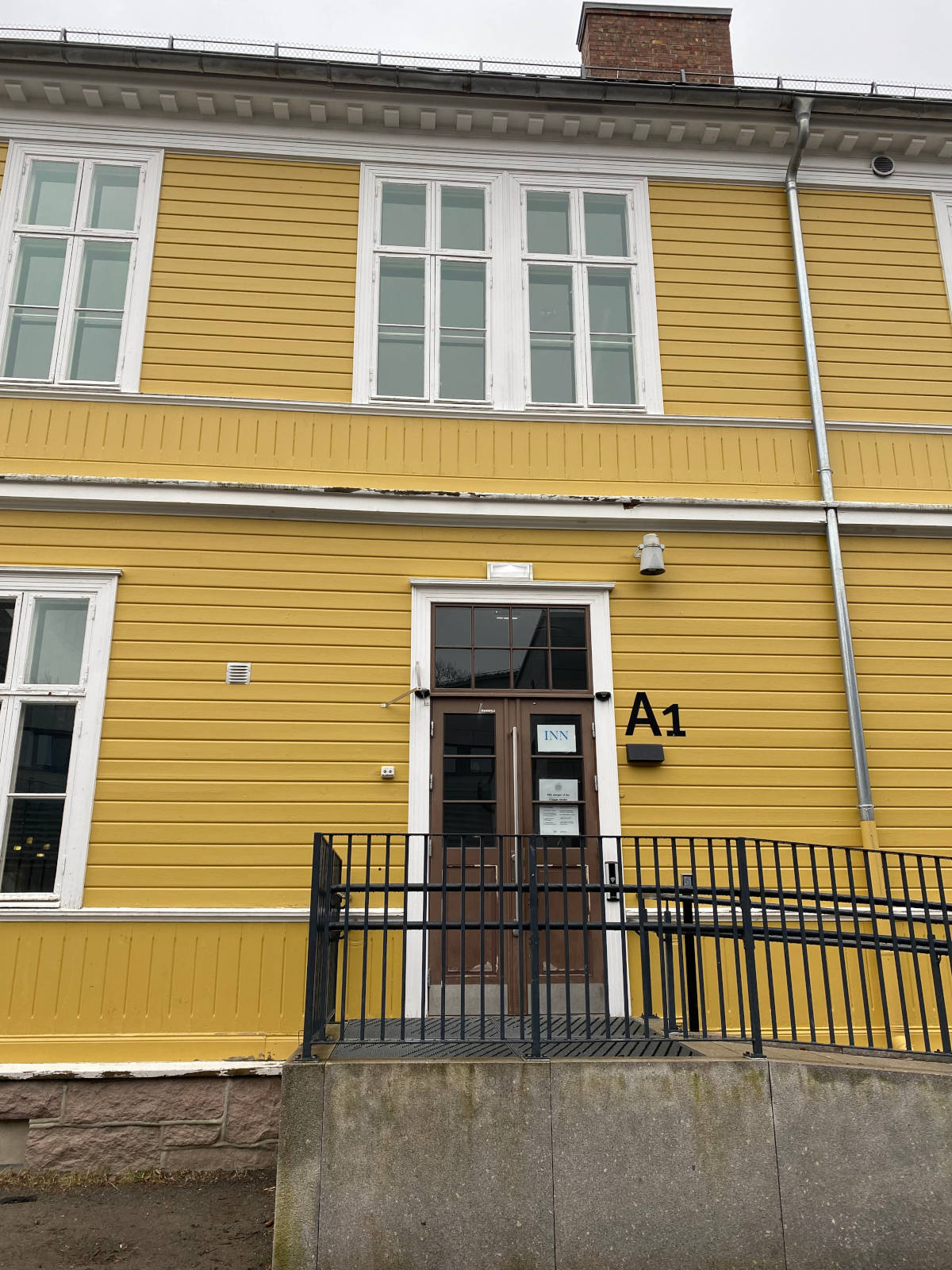
The children are learning but they most enjoy doing creative tasks such as decoupage, making handmade signs and posters and hanging it all on the walls inside the school. Colorful decorations made of paper products will always be on the windows inside the school. And also in such a school, national traditions are observed. They are a patriotic group, like Ethnos, but they don’t often remember about the national flag.
Number 3. The architecture of the Marxist innate group school
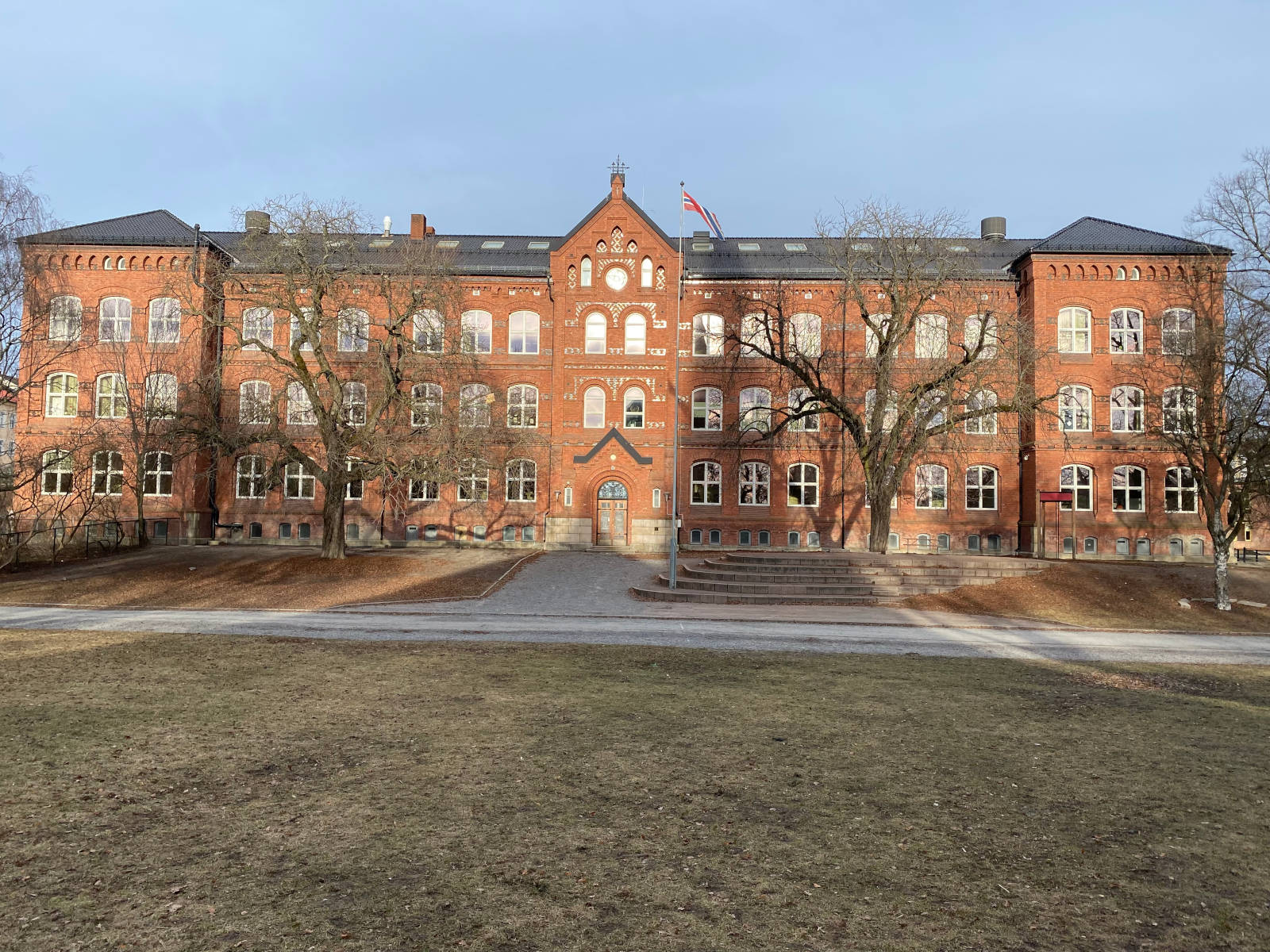
The school is large. Details in the appearance – the presence of the national emblem or symbol in the form of a five-pointed star, as in the photo. The entrance, as a rule, has a strict appearance, where incoming students are received immediately in the classroom. The first impression is that there is no chatter and walking idly along the corridor. There is a hint that this is not a school at all, but as if it were a lyceum for selected children or a military academy for rising cadets and policemen. And it would be logical to assume that discipline in such a school is quite strict, and students are given a lot of homework and prepared for various competitions and Olympiads.
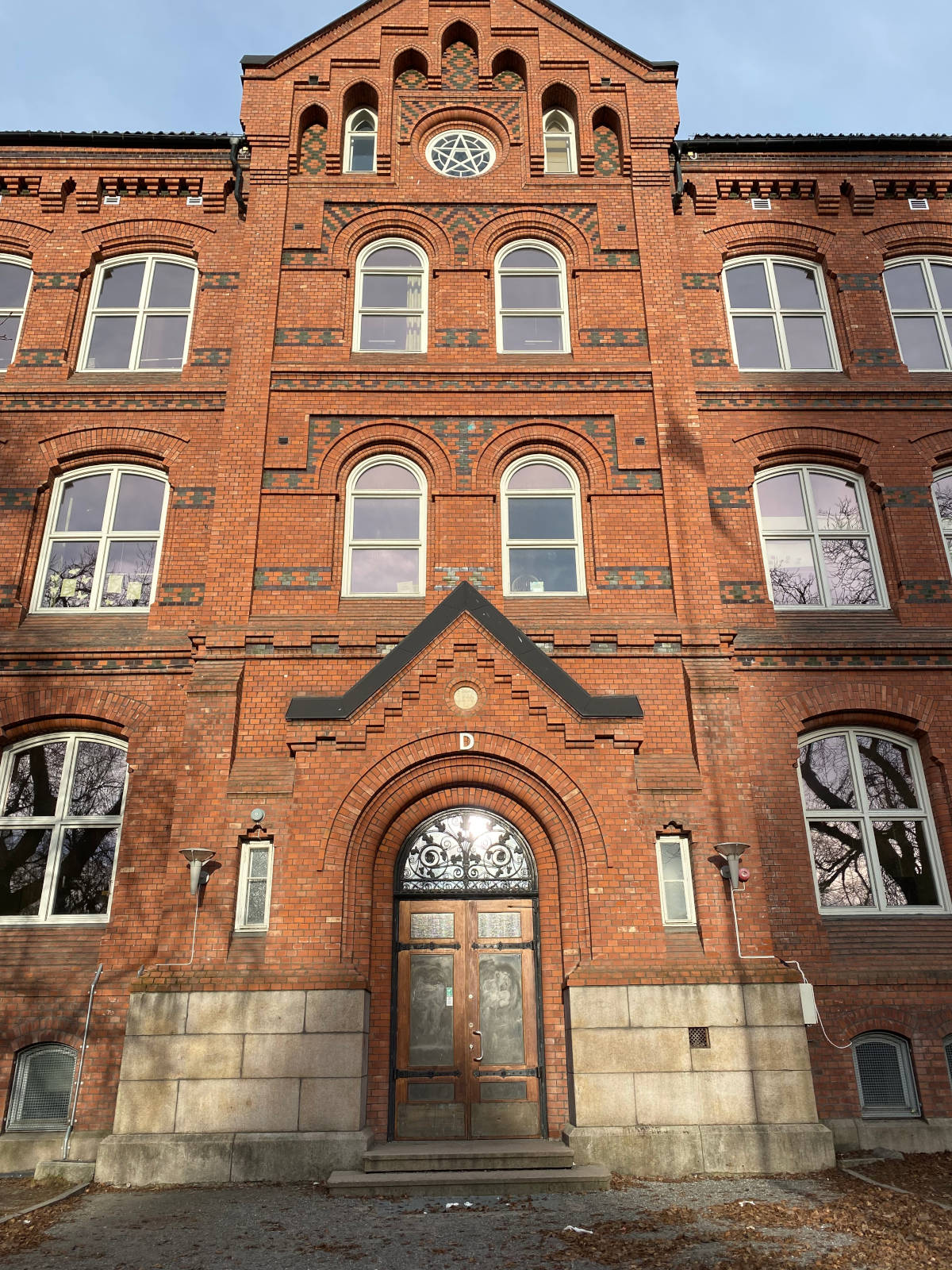
The teacher is an authority for every child at school. And no one has the right to behave in an isolated, secluded or uninhibited manner. All this will be done only in authorized places, and they are not on the territory of the school. Fantasy says that in this type of school study only excellent students or children of rich and respected in society parents, whose children would not be hindered by obedience and strict discipline. This discipline includes a steady reminder of the national flag and the teaching of duty to the Motherland.
Number 4. The architecture of the Pharaoh innate group school
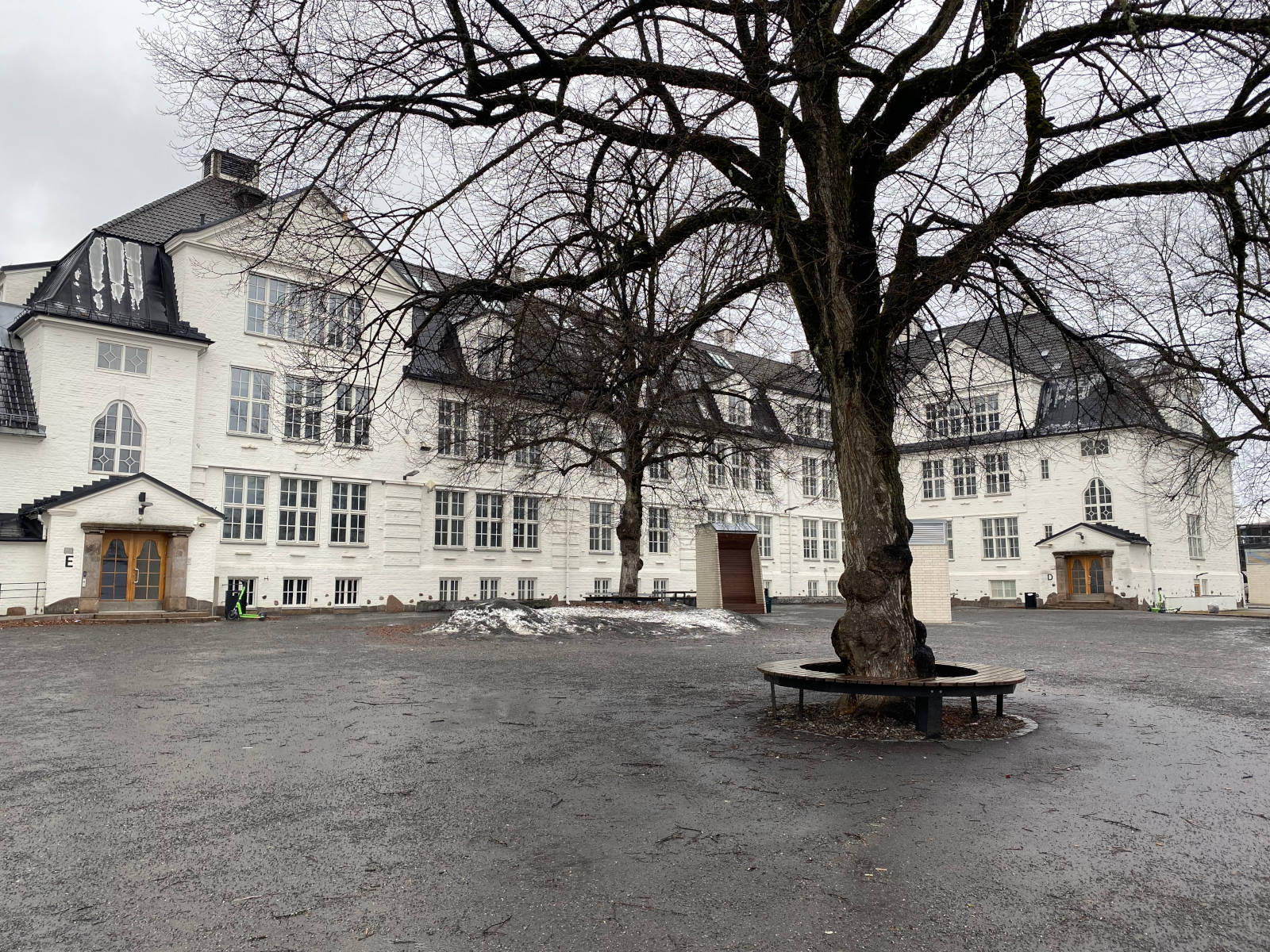
The first thing that catches the eye is the neatness, grandeur, cleanliness and external prestige of the school. One gets the impression that only children of rich and influential people, as well as excellent students study there, just like in the previous school. But in this school can study different guys who themselves like to learn, but the obligatory condition – not to feud and not to be a cruel bully.
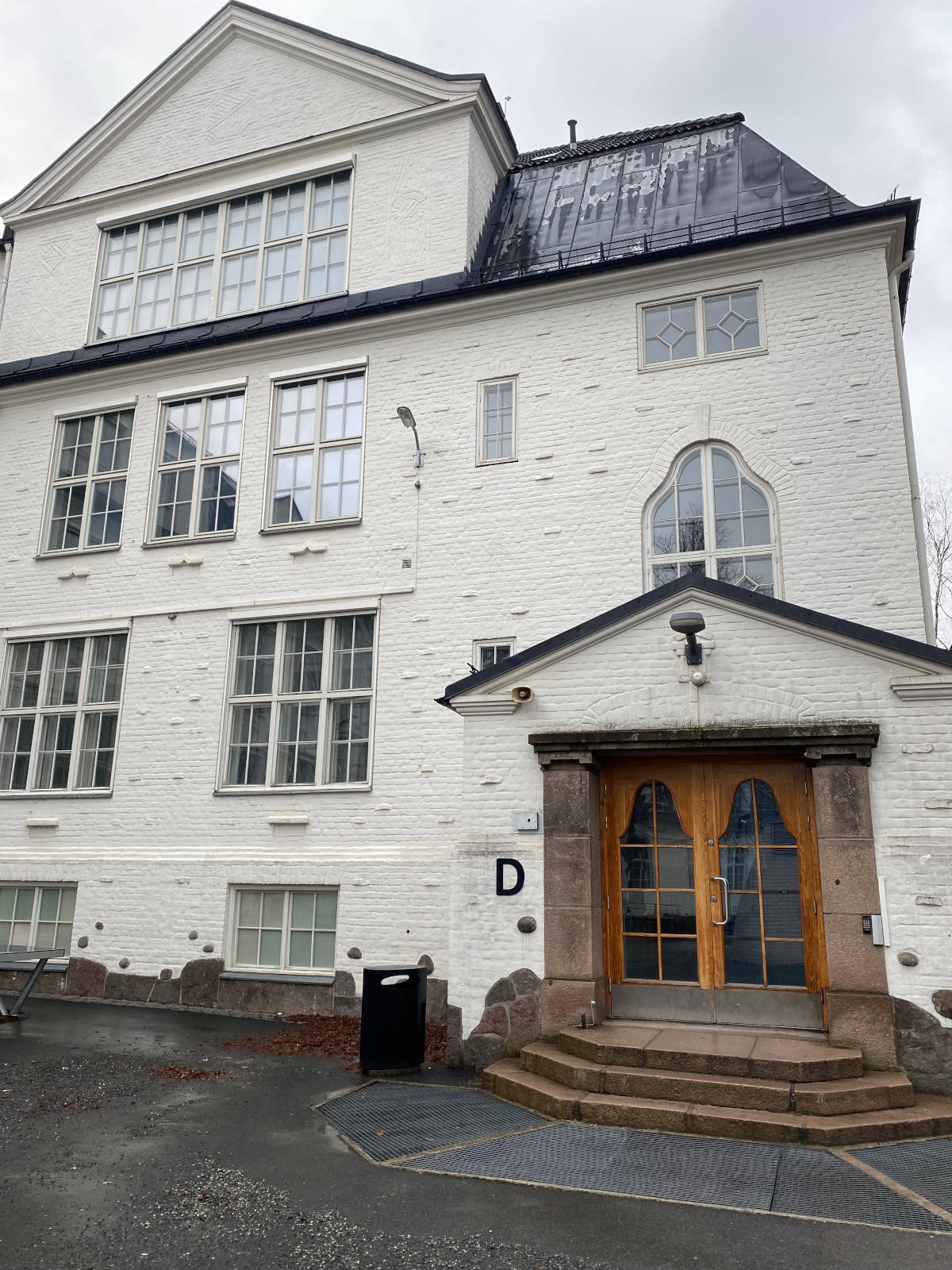
And these children understand this. After all, light banter and friendly competition are not considered bullying. Because the image of such a school says that children there are comprehensively developed, they are fond of drawing, foreign languages, music, ballroom dancing. The school is created for calm children, polite, who dream that they will become great rulers, scientists, talented and famous personalities or successful businessmen.
Number 5. The architecture of the Patron innate group school
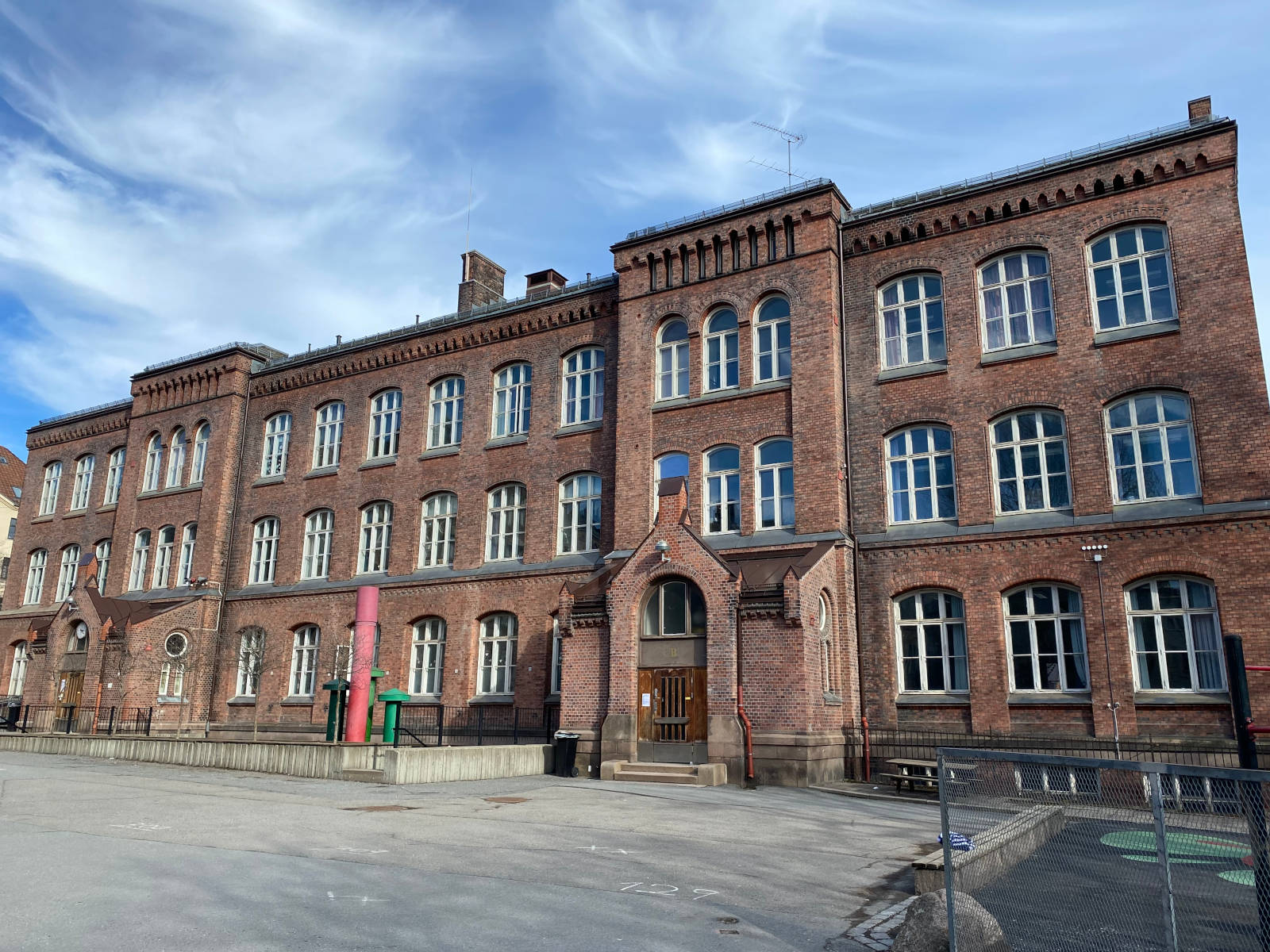
The school at first glance is well designed and has enough space to accommodate a wide variety of children. The appearance of the school shows that both poor and non-poor children can study there, as well as children from disadvantaged families, discipline violators, and those who really love to study. Also externally, the school resembles a workshop where young designers create their inventions or masterpieces during labor lessons. After the lesson, these same young constructors go outside to smoke, laugh at each other or compete with each other.
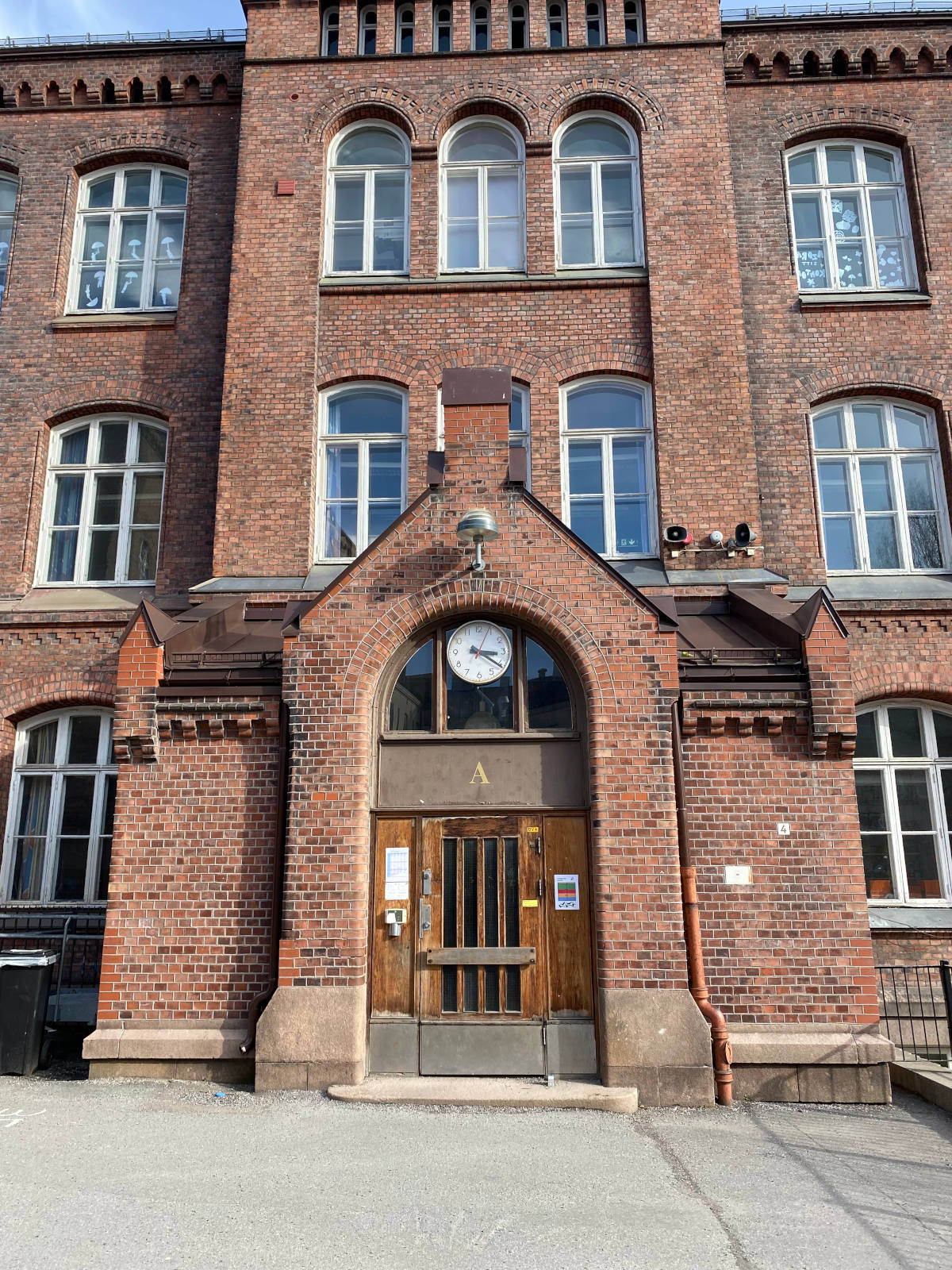
And of course, the one who did the most pull-ups on the street bar will often be more right. The small windows on the front door are exactly what indicate possible bullying. The level of influence of dad or mom does not greatly affect the relationships between these kids at school. That’s why everyone who’s not lazy goes to school here. There is a wall clock above the front door, which shows that children and staff like to learn and be on time for school.
Number 6. The architecture of the Pilgrim innate group school
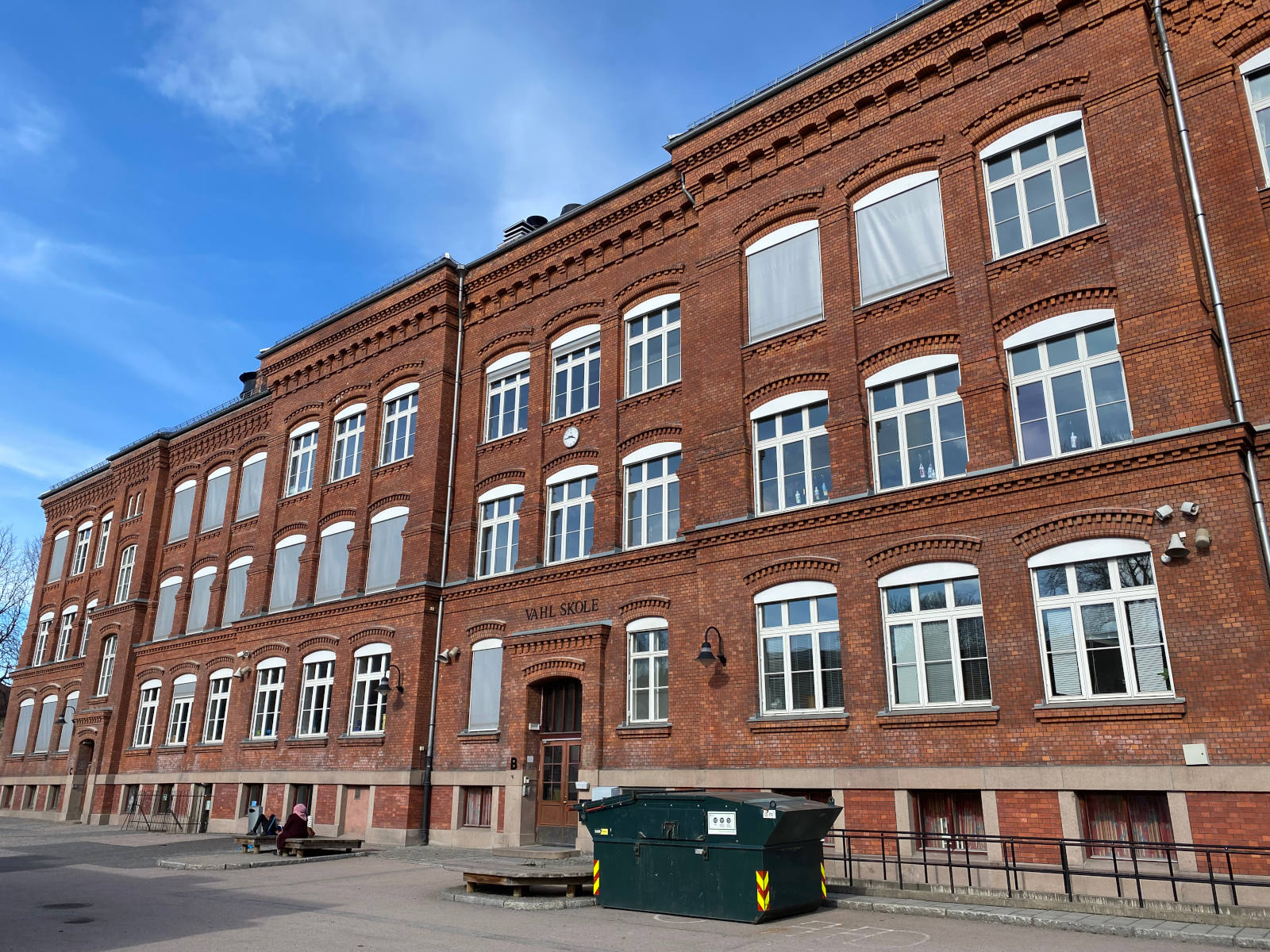
It would seem that this school is outwardly quite similar to the previous one. And this is partly true. But if you look more closely, you will see that this school has a quieter atmosphere and is tidier. The calmness lies in the fact that children spend time there only because society needs them to. And sometimes you get the impression that no one comes to this school. After all, and for some reason the code hangs on the door. The wall clock for some reason hangs not above the door, but above it. Apparently, there is no discipline there and children come at different times.
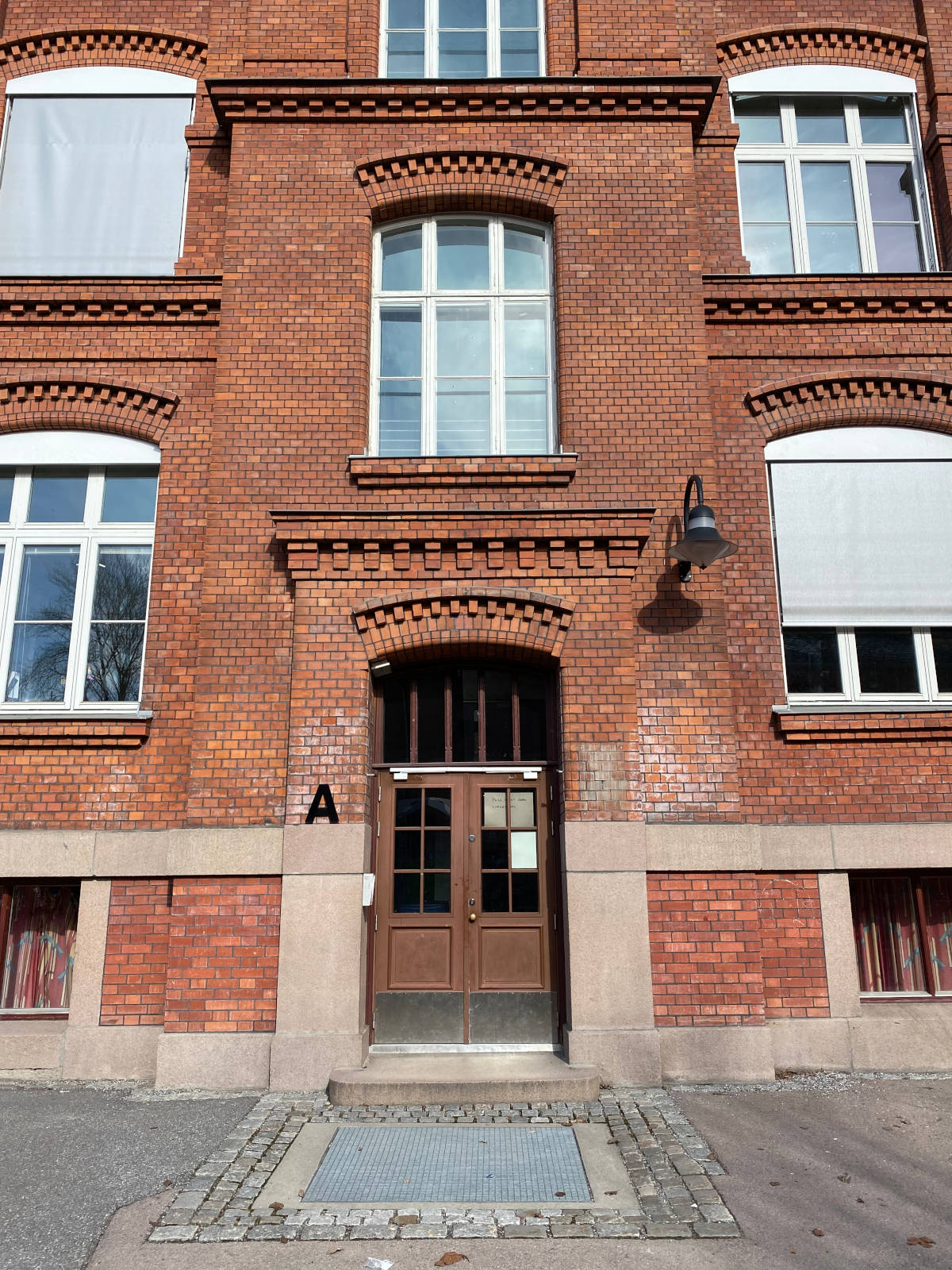
Why bother trying, right? This is what the architecture itself says, with minimal idea investment and effort. Children often do not show what level of material wealth their parents have. Instead, they come to school, have little interaction with others and are quite polite and quiet at first glance. A small sports field often indicates that they don’t need PE (physical training) much. Instead of deep communication, children may listen to music or look at their cell phones, sometimes even in class. Sometimes they skip classes. They are not very interested in all this around them, because at home there is a new computer or programming courses waiting for them, paid for by their loving father.
Number 7. The architecture of the Cognitive innate group school
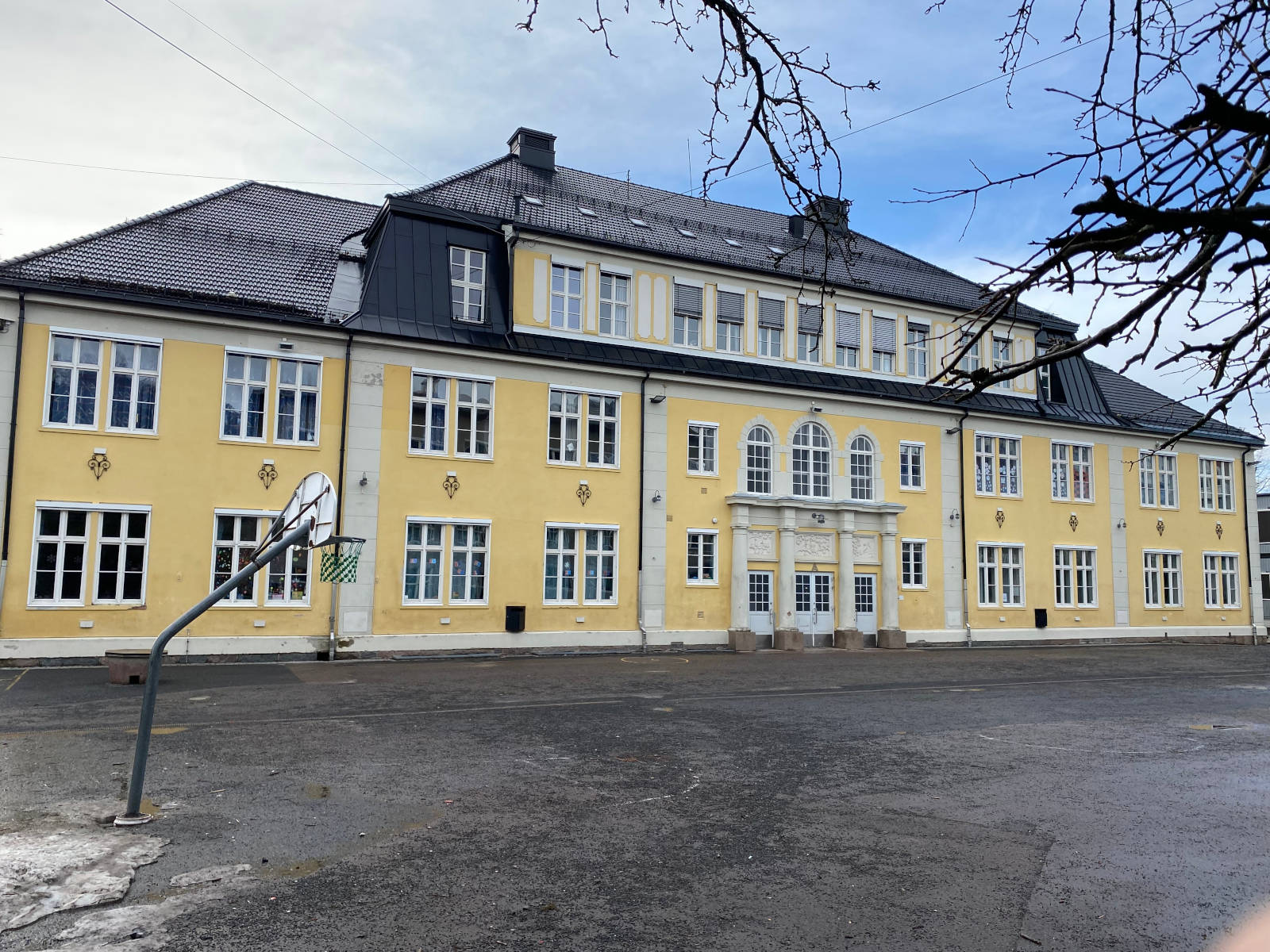
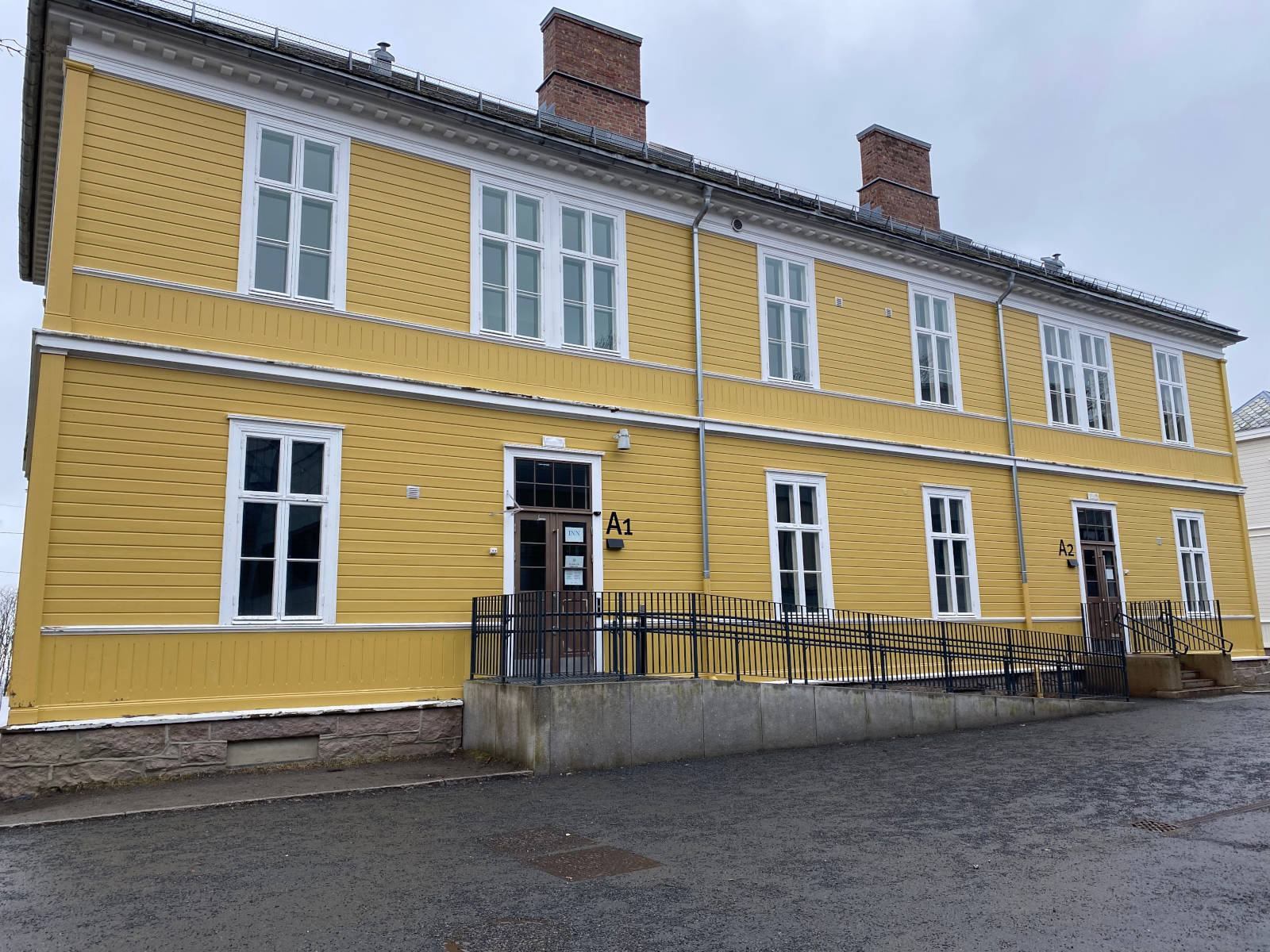
This is a school that is designed in such a way that the child goes from kindergarten to another kindergarten, only bigger in size. In fact, it is preceded by bright yellow cheerful colored walls. There is no graffiti in this photo, which is typical of this Cognitive group, but you can see the differences in color between the upper and lower walls if you look closely. Also visible are damaged walls in places and scratches on the walls in the form of someone’s engraving.
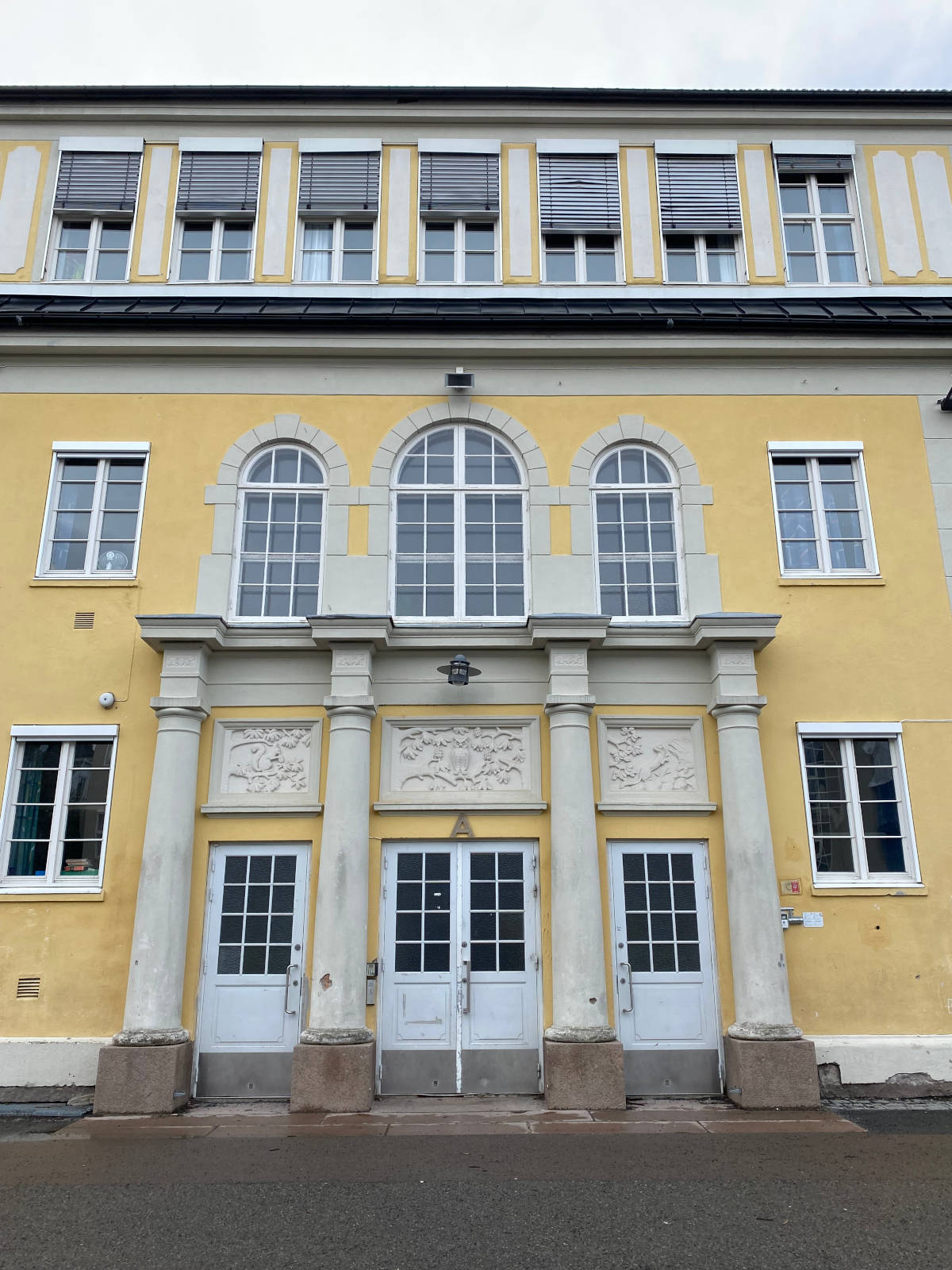
The atmosphere in this school is created for children’s exciting games, various trainings and just having a great time. And study and in-depth study of school subjects are on the second place. If a child does not come to school or to an exam – it means that he is at home or in a sanatorium with mom or dad. Children in such schools are sociable and go there as if to a closed club, admission to which must be earned or bought. And the price, of course, will not be cheap. But parents will do everything for their favorite child.
Number 8. The architecture of the Virtue innate group school
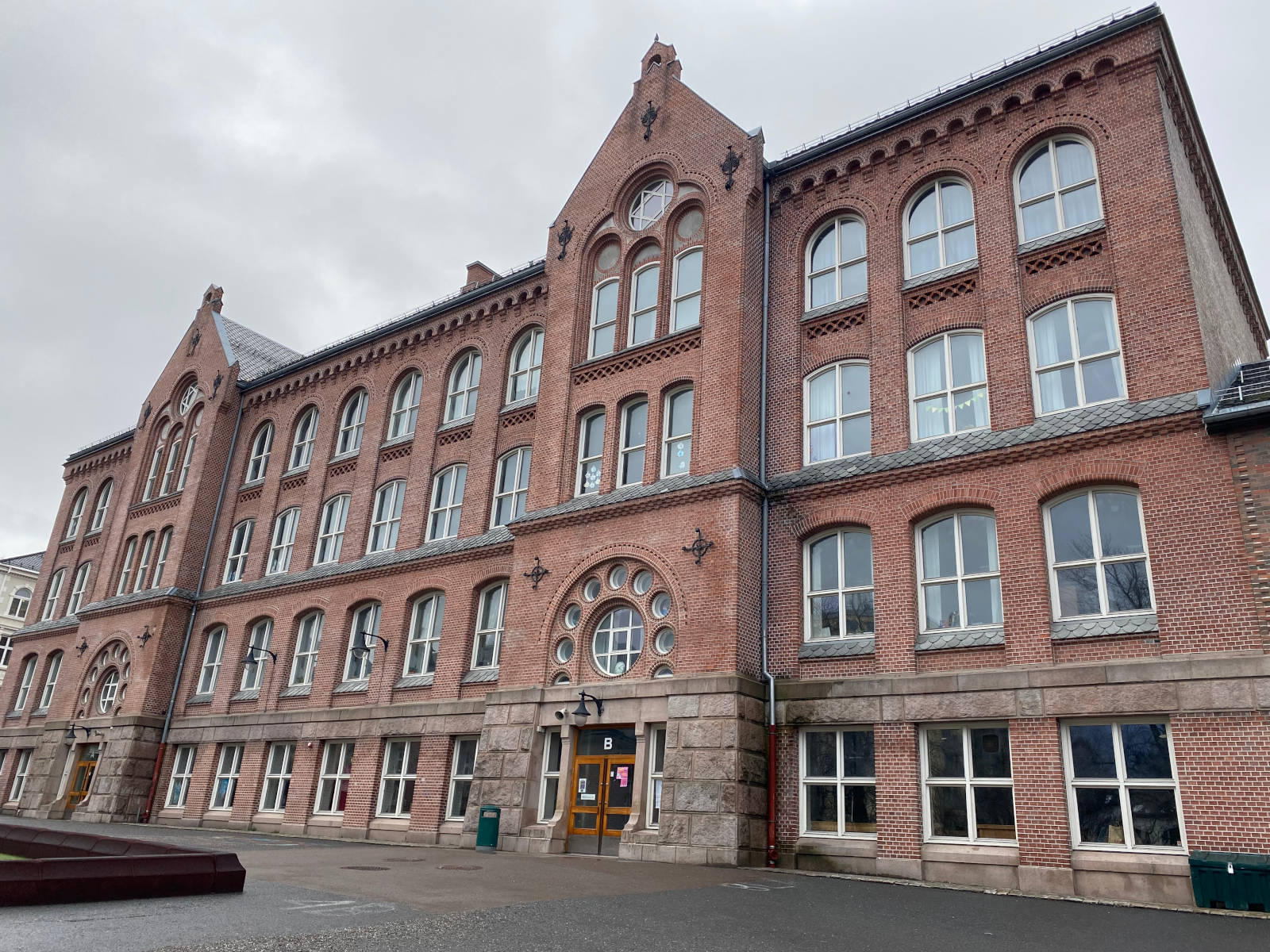
The school is well-maintained and “welcoming”, as if waiting for students to come to school. After all, when a new school year starts, there are cheerful balloons hanging at the entrance. The wall clock as if in the shadow against the background of funny round details. Here by the appearance of the school is attended by a variety of guys, usually from ordinary or poor families. But all these guys by nature are not evil and vicious violators of discipline or brawlers.
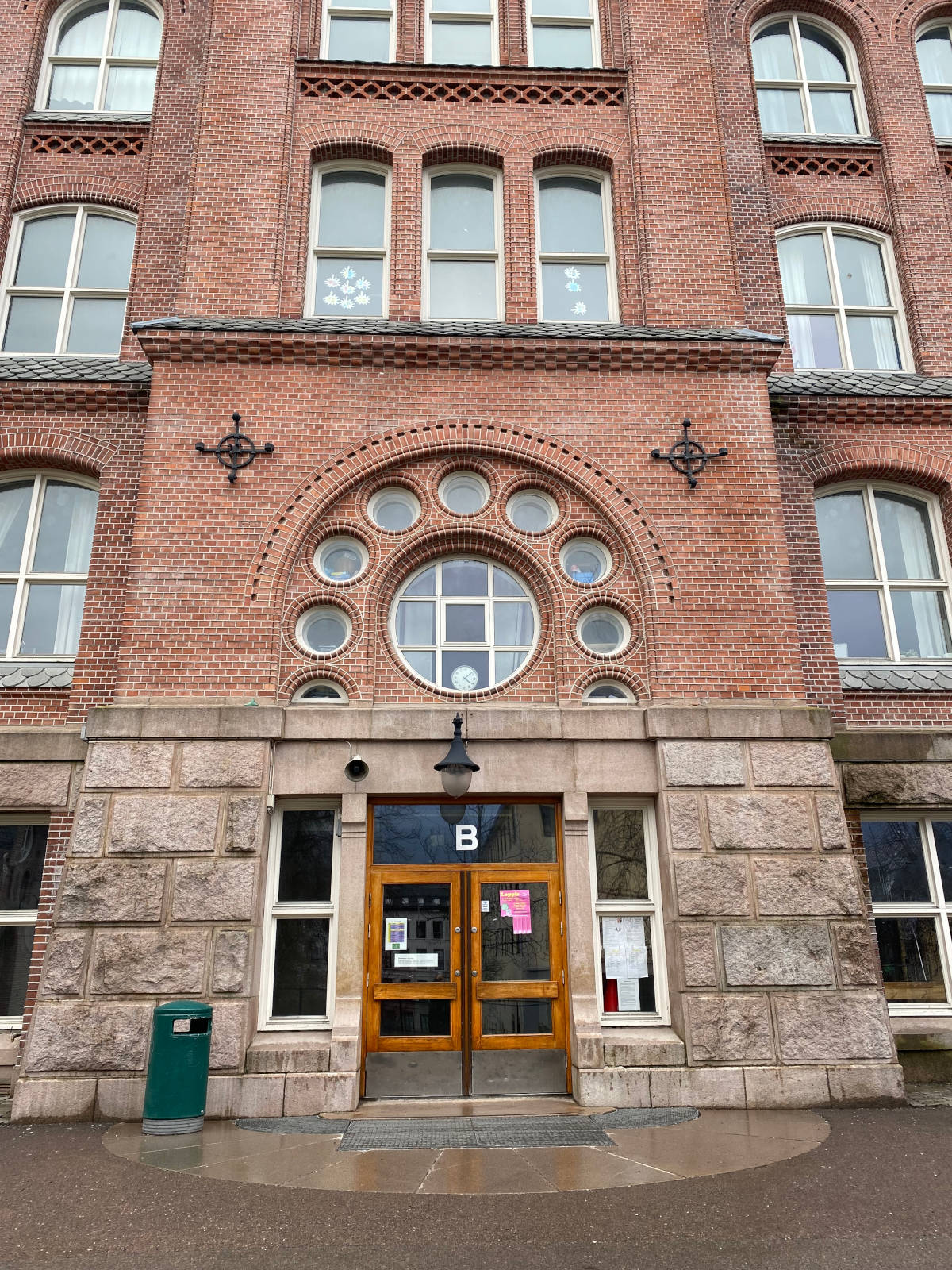
The children who study there are companionable, independent young men and women who are so versatile and simple that they are interested in almost everything. And everything for them is sewing circles, math, poetry, folk dancing and folk musical instruments, and games that combine elements of sports, art and science. They love company, but are also humble and love to study. They get sad when the school season is over and look forward to the new school season. The national flag is raised on certain days such as the first and last school day and then taken down.
It is also worth to add that in 4 innate groups “Ethnos”, “Toastmaster”, “Virtue” and “Marxist” physical education and sports in school is an important attribute and subject, where children of these innate groups themselves gladly take part in such lessons and enjoy it. In addition, while building schools, only 4 innate groups (“Pharaoh”, “Virtue”, “Marxist” and “Cognitive”) put maximum labor and details in the construction of schools to make them look unique and unusual. This is due to the presence of innate conscience in these four groups.
And now, to end this topic, here are pictures of the classical architecture of churches in the different 8 groups of people.
The one important observation of church work and church service is that the four innate groups “Ethnos”, “Virtue”, “Toastmaster”, and “Marxist” mix religion and cuisine. It means that in the churches of the representatives of these 4 groups, people gather and eat together on holidays or other occasions, prepare a lot of food and serve it to the needy or parishioners. The inborn group “Virtue” also has churches arranged in such a way that the church bell will always be visible on the street to the surrounding people. Bottom line, here are pictures and descriptions of churches by style:
Number 1. Architecture of the Pilgrim group church
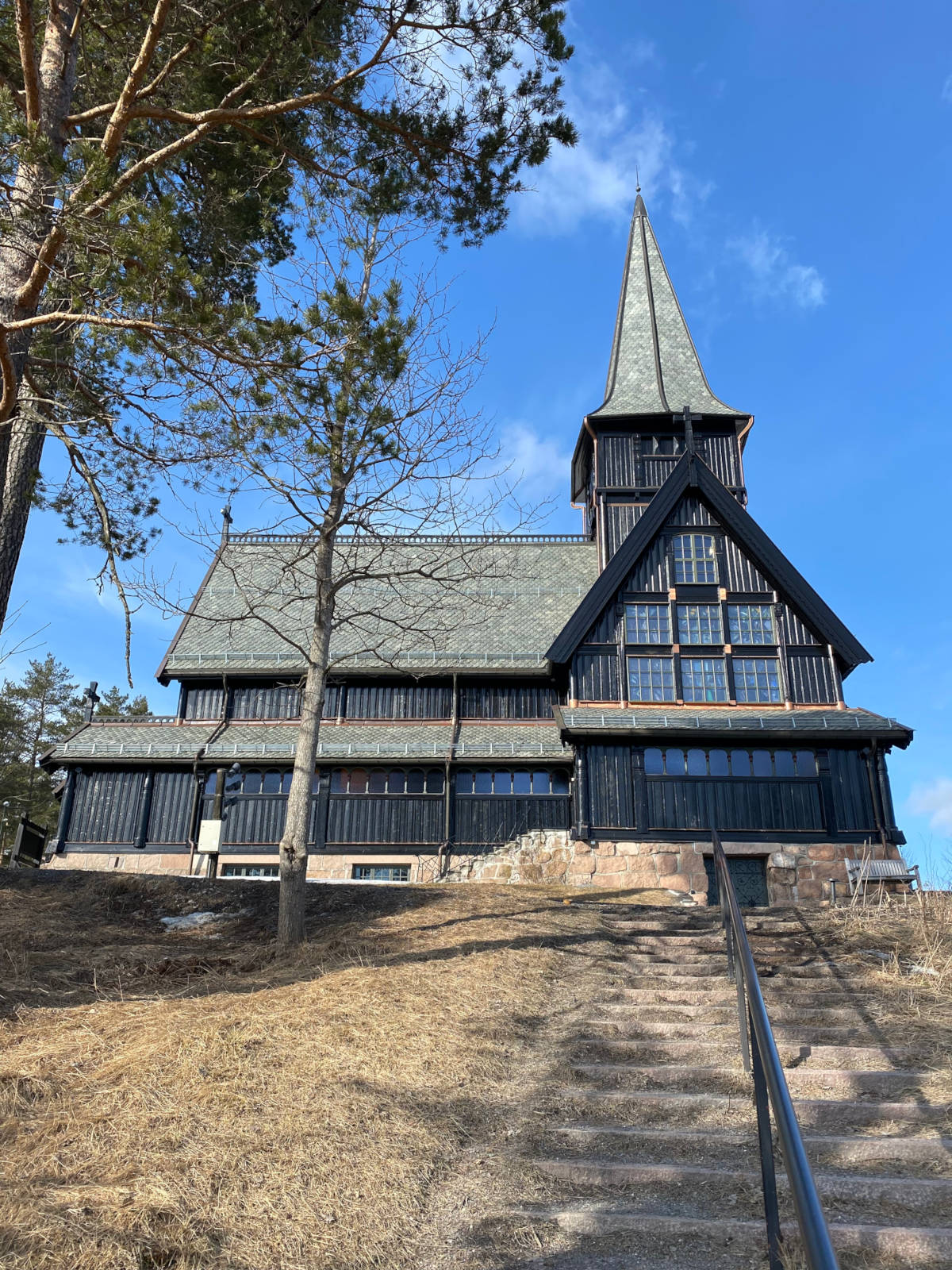
The church is usually not in a settlement, but in a hardly accessible places outside the town, on a hill or in the woods. It is old-fashioned, both outside and inside. Yet the church is distinguished from others by its sharpness, insularity, and negativism in style. There is an assumption that parishioners of such a church had to bring donations (money) and observe fasting in the name of faith. The door of the church is not always open to visitors.
Number 2. Architecture of the Cognitive group church
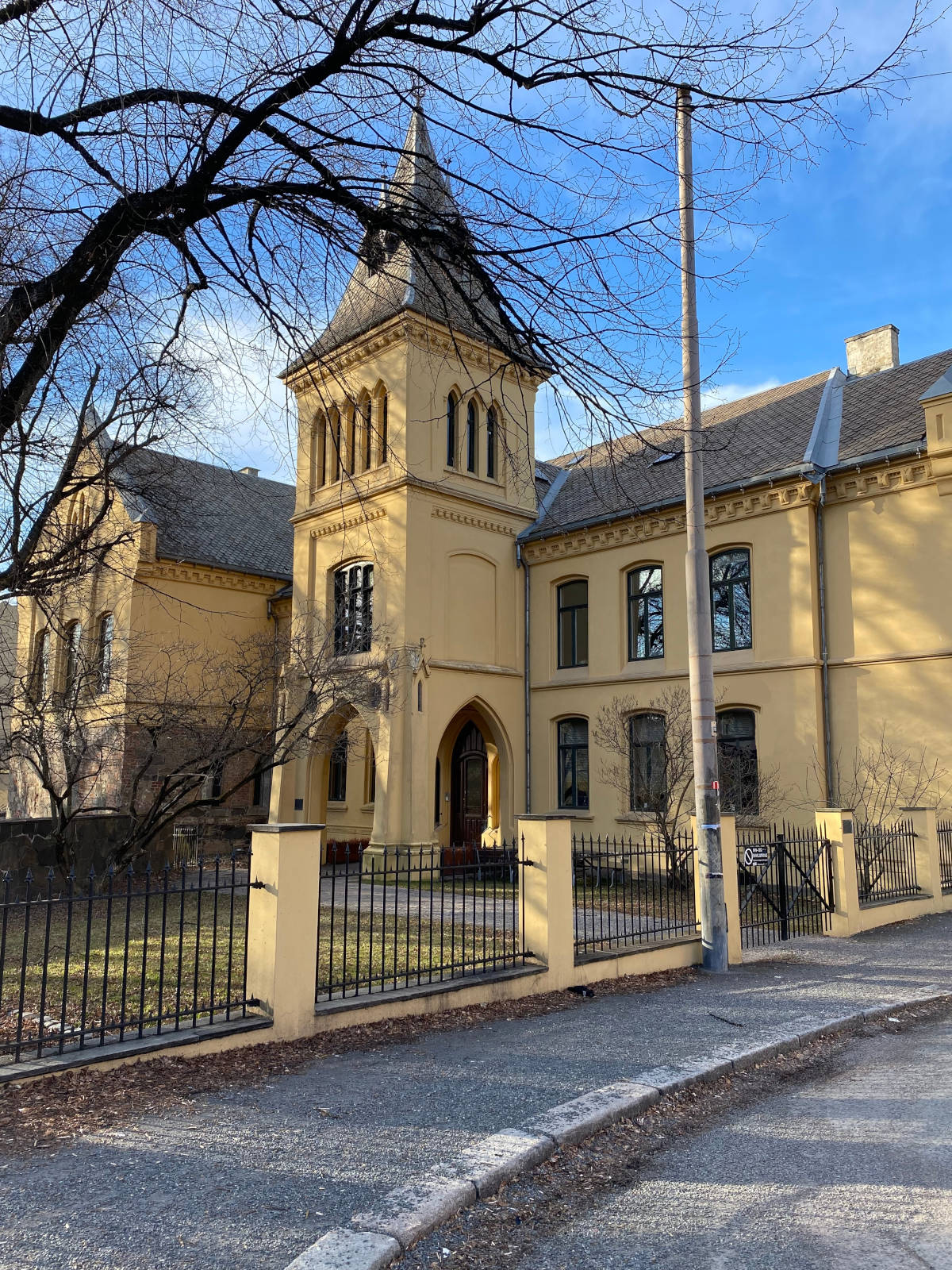
The church resembles a mansion or private house. The walls are painted a bright yellow color. Children are very important to their church, so they must come there. Adults have no concept of prayer or lighting candles. Therefore, they do not have church in the traditional sense. And it is like an office or a school for children, or two in one, especially in today’s world. Yoga, meditation, feng shui and so on are attributes of their religion.
Number 3. Architecture of the Virtue group church
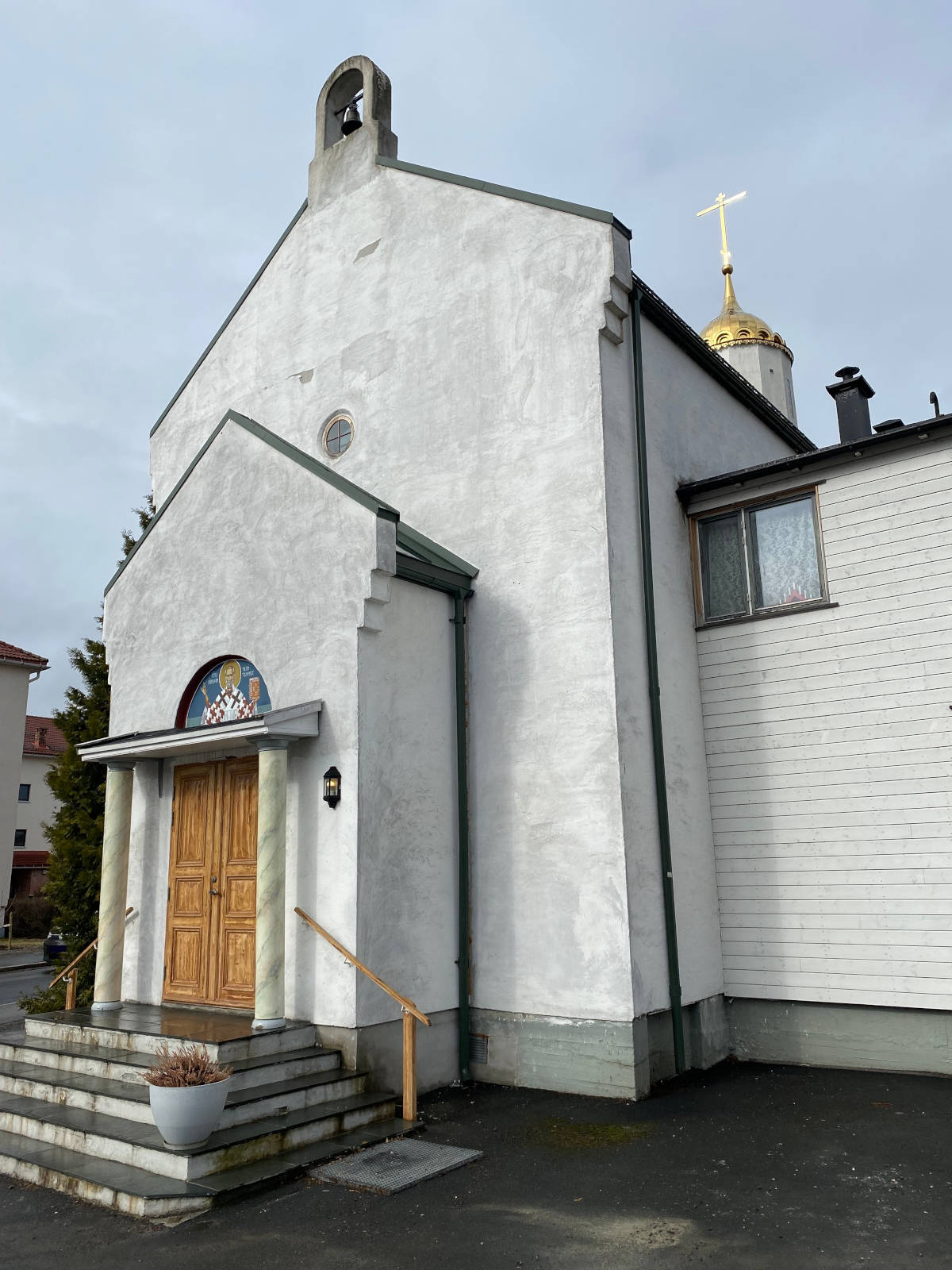
The church is usually white or light gray in color. The church itself is originally a shelter and place of help for those in need. This help includes free food and lodging. Church activities also include gardening near the church. They like to observe major holidays and church customs. Members of this type of church often bring donations and food, believing and knowing that it will be spent on those in great need (the poor, large families, disabled, elderly and orphans). The church is always in the city or within the settlement and the door is always open to all.
Number 4. Architecture of the Ethnos group church
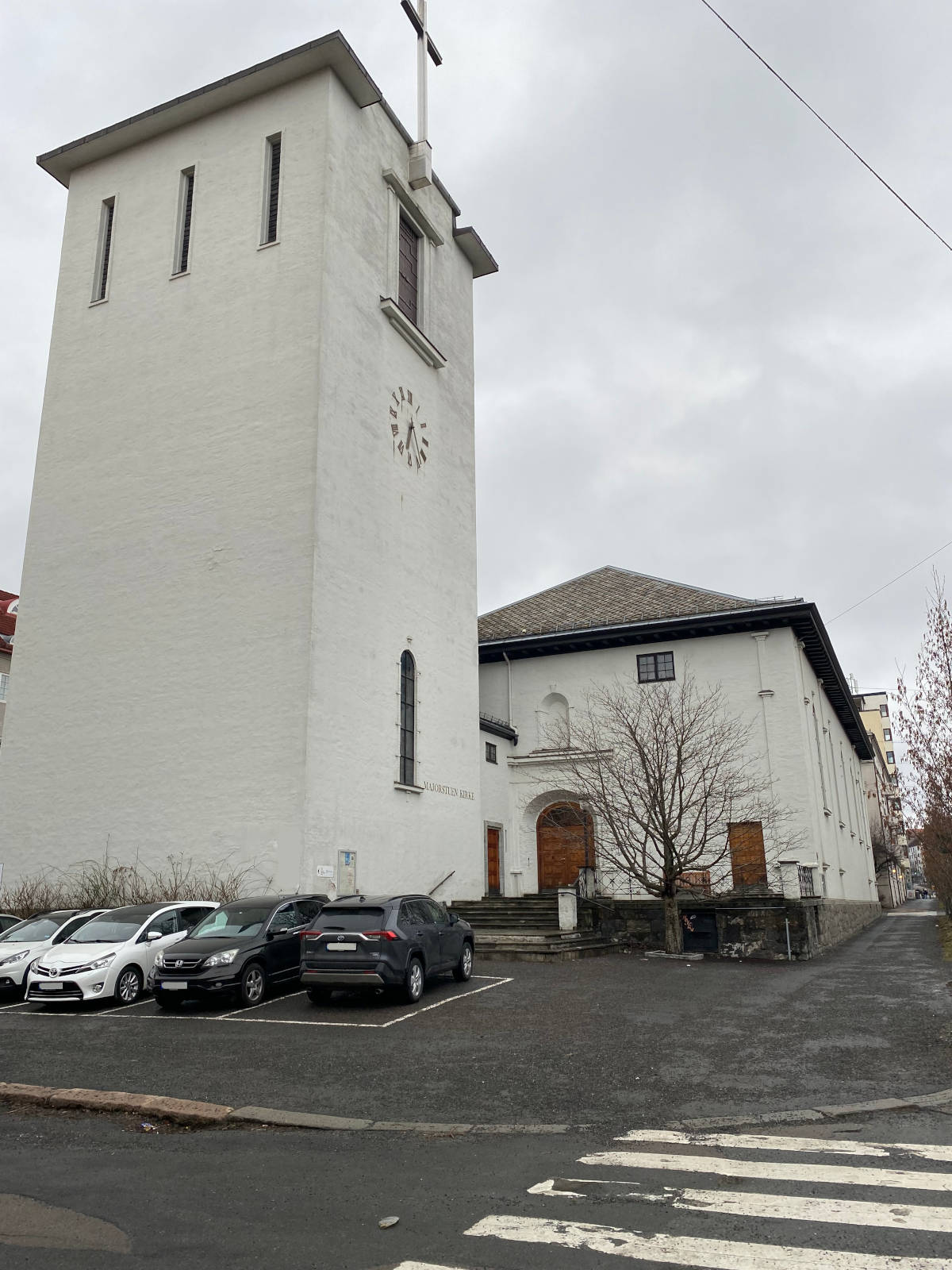
The church is located within the settlement. The members of this type of church also bring donations and food to the church. But they bring it for the purpose that it may help them in their life and work. And the priest himself disposes of the food and donations at his discretion. Churches, as in the “Virtues” are preferably white in color. As a rule, people come to church only for big holidays, funerals, baptism or weddings.
Number 5. Architecture of the Toastmaster group church
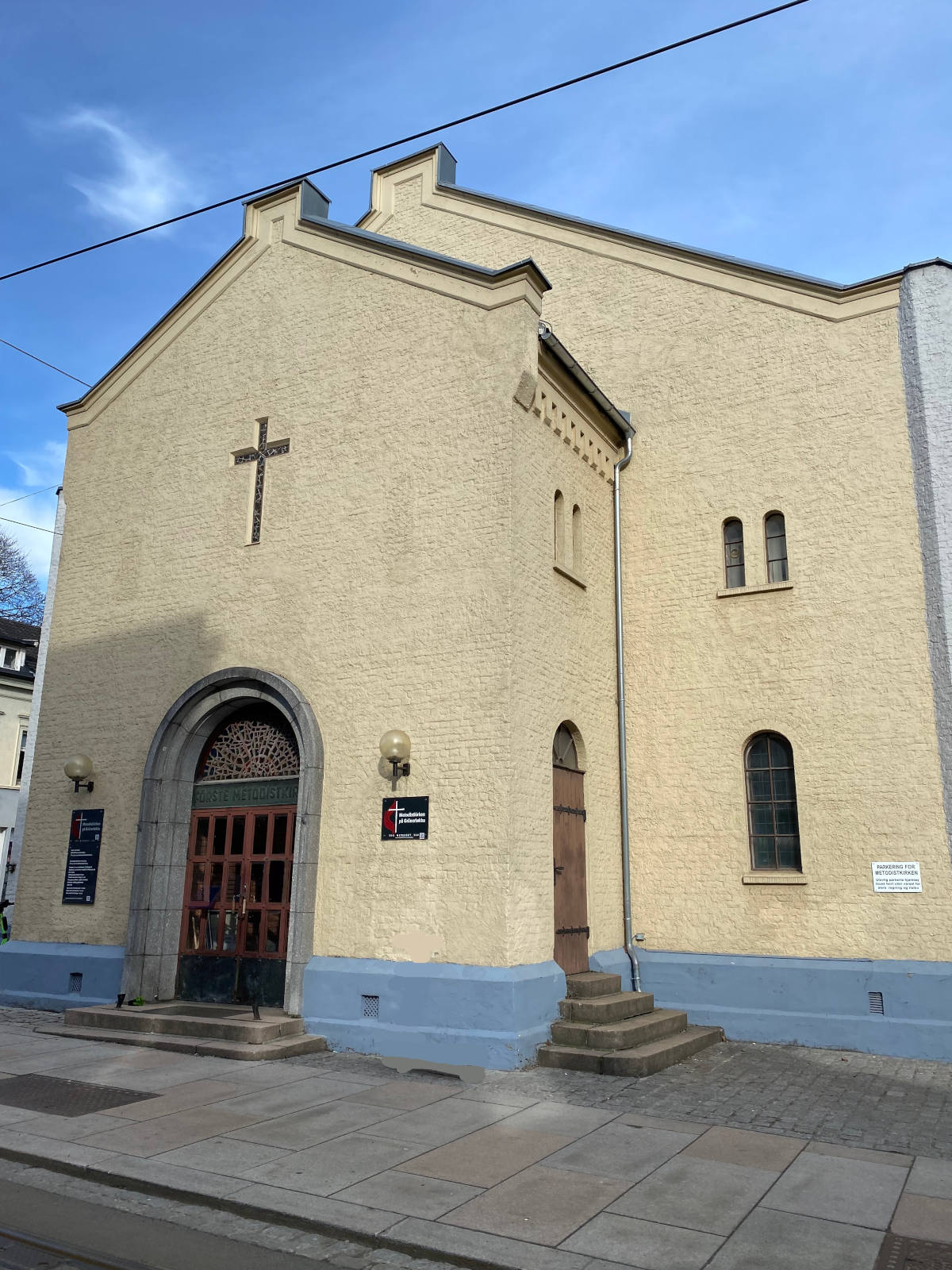
The church is located on the outskirts of the village or outside the city. As a rule, yellow, sand or beige colors are preferred. A symbol of faith is obligatory, which will be drawn or made on the wall of the church or on its roof so that people can realize that it is a church. They prepare small modest rolls or breads together as a whole community and also drink wine together on holidays.
Number 6. Architecture of the Marxist group church

The church is located far outside the city, on a hill or in a forest. The characteristic colors of this church are black, cherry, and scarlet. Families gather near the church and it is like a kind of sect for other groups of people. They share impressions, pray, sing songs, eat food brought with them outside or inside the church like a picnic. They have a wide variety of church rules and rituals that not all groups of people know and understand.
Number 7. Architecture of the Pharaoh group church
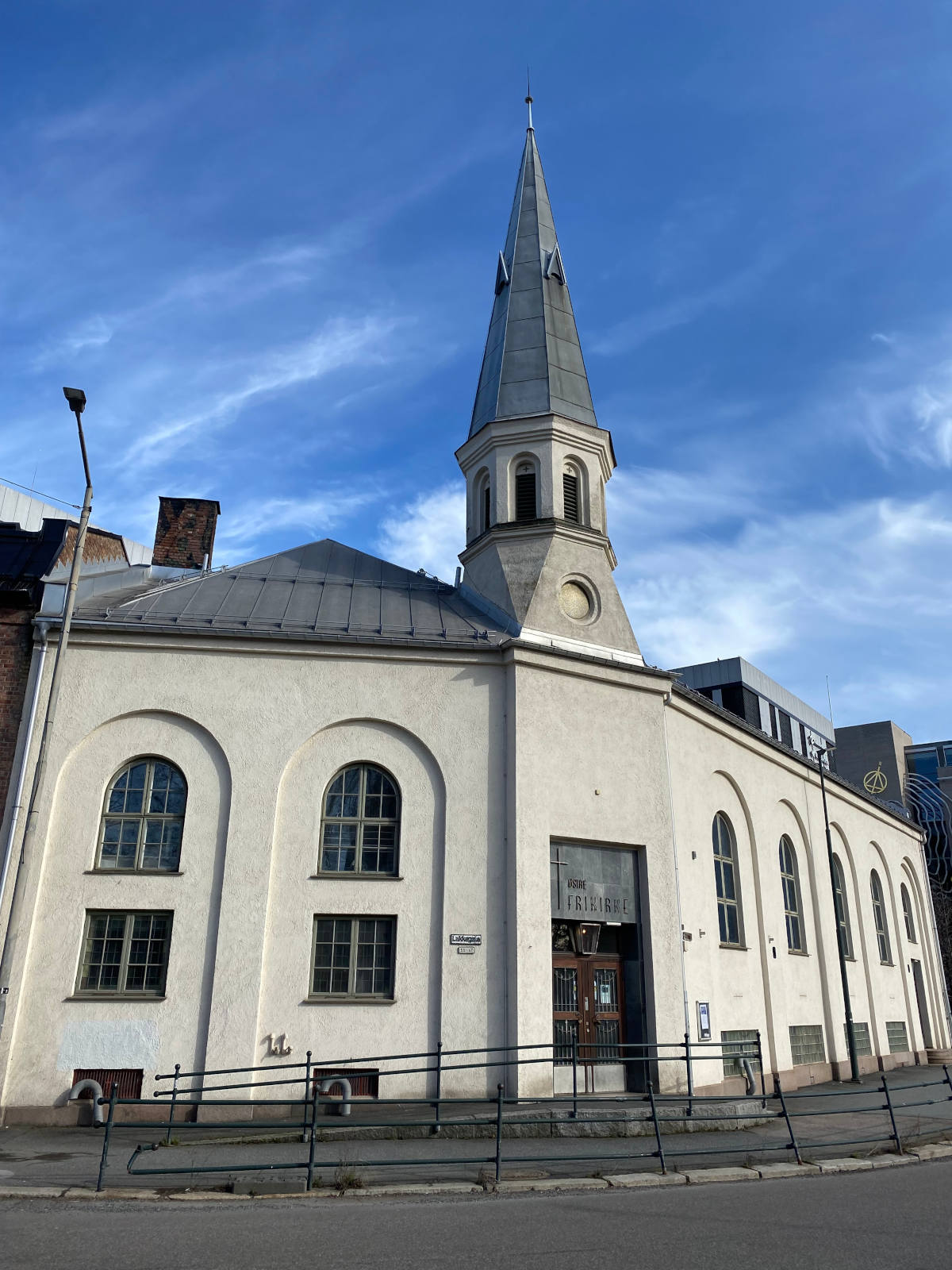
The church has a prestigious appearance that does not spoil the business or austere atmosphere of the city or town. It is often gray rather than white in color. A church is just a place for praying, listening to the choir singing, and a place of relaxation where one can sit on a pew in tranquility whenever one feels like it. Therefore, the door of such a church is always open to everyone.
Number 8. Architecture of the Patron group church
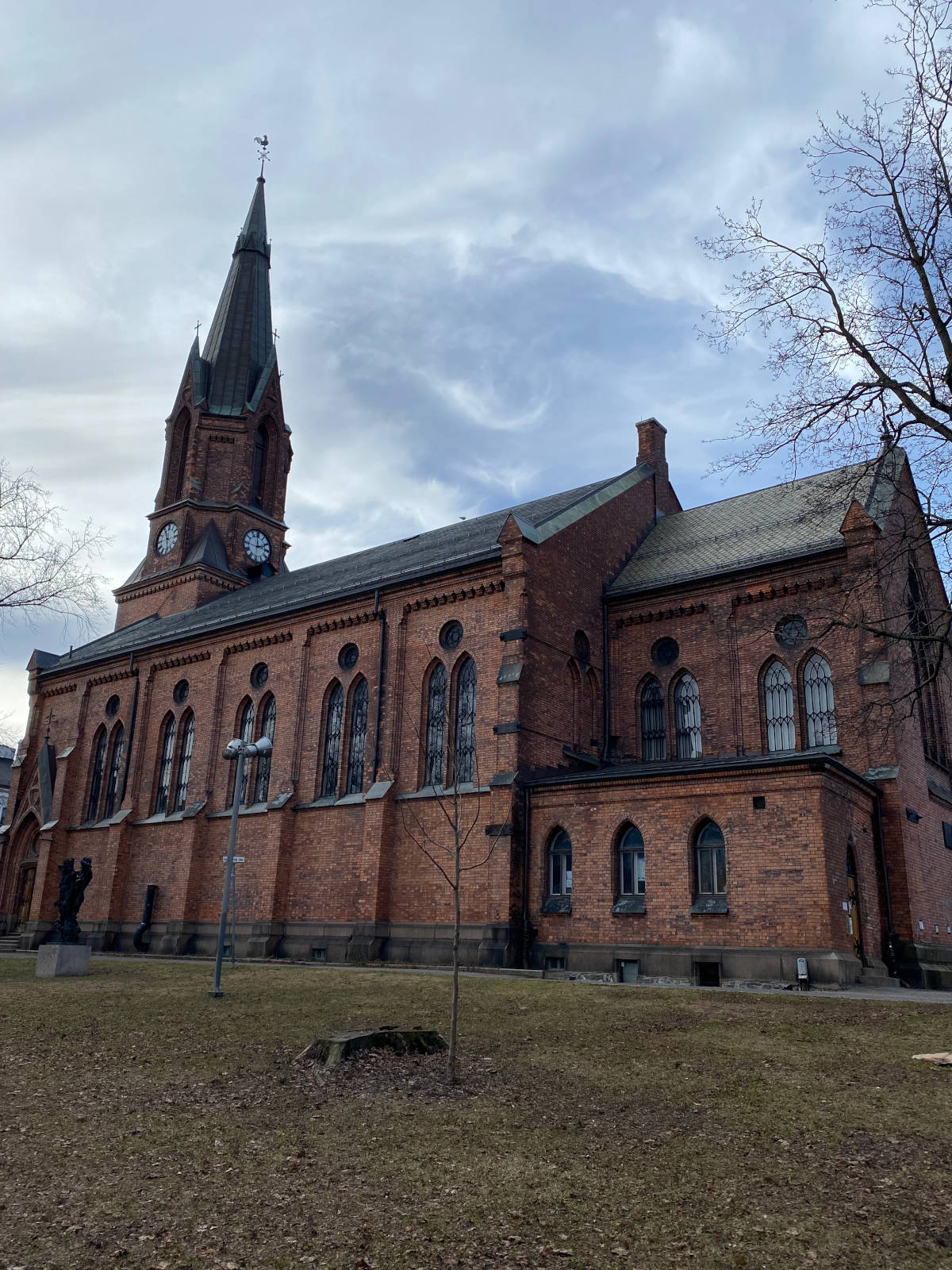
Churches are built in a prominent place in the city. They often have a massive Gothic style. Dark gray or grayish in color. Even on feast days, the atmosphere in the church is sad and as if mournful. In this they are similar to Pilgrim’s. The church members come there as if to work to keep the church in good condition. The church services are paid and there are concerts inside, which is like a theater.
What should be added is that in four of the eight innate groups it is likely that compulsion to go to church works directly or indirectly. And this is what works in “Marxist”, “Ethnos”, “Patron” and “Cognitive” groups. In the other four groups, church attendance is voluntary.
This description of the churches in this article is only illustrative and has no real overlap with the operation of these churches that are pictured.
 World Typology